


INTERPRETING NATURE
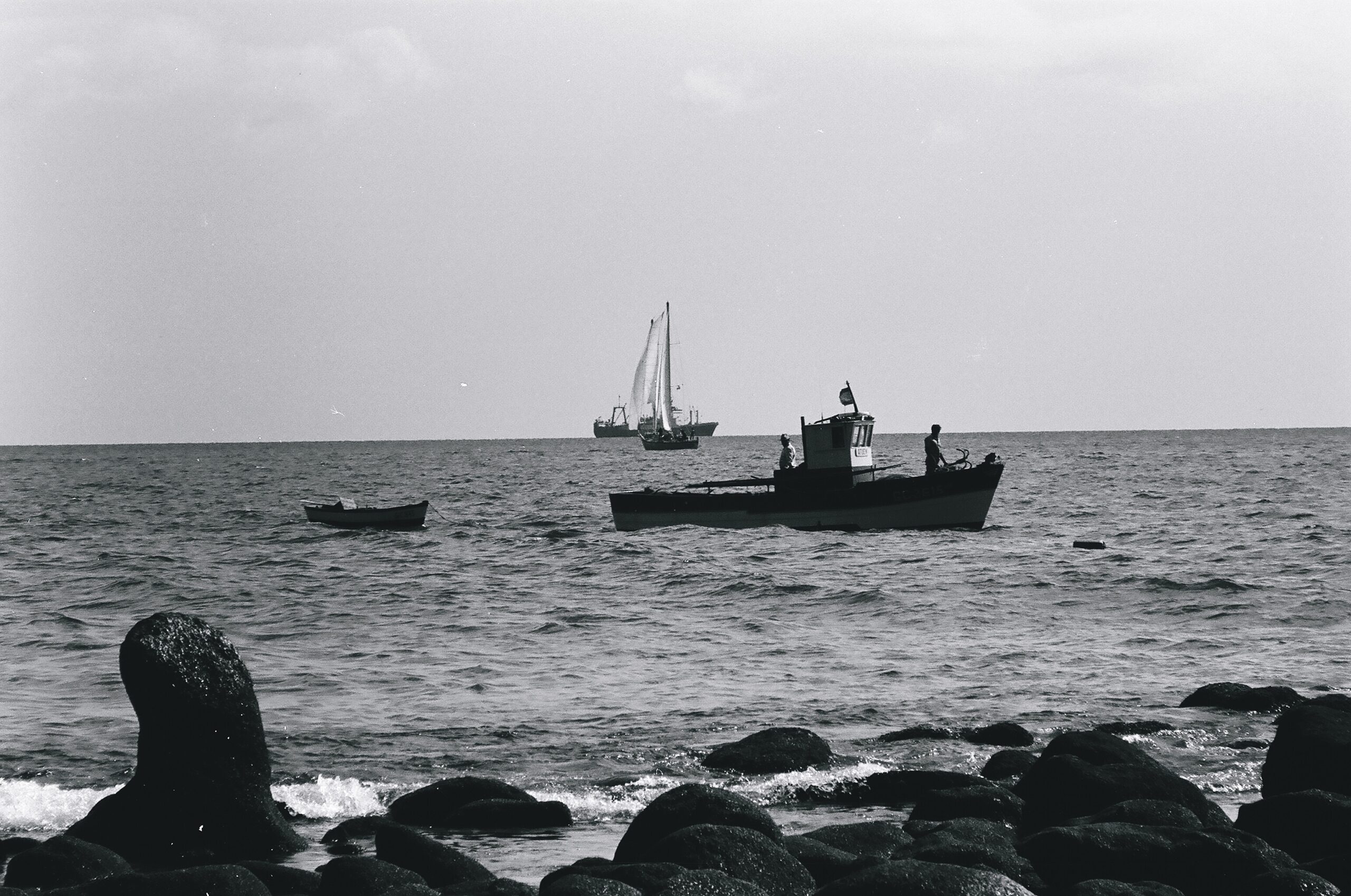
Despite modernisation in terms of equipment, some fishermen in Mogán still use traditional methods to set the course of their boats using marks located on the coast that have been passed down from father to son.
These signs were also used in the past to locate the places where the traps were set, making it easier to find them when it was time to retrieve them.
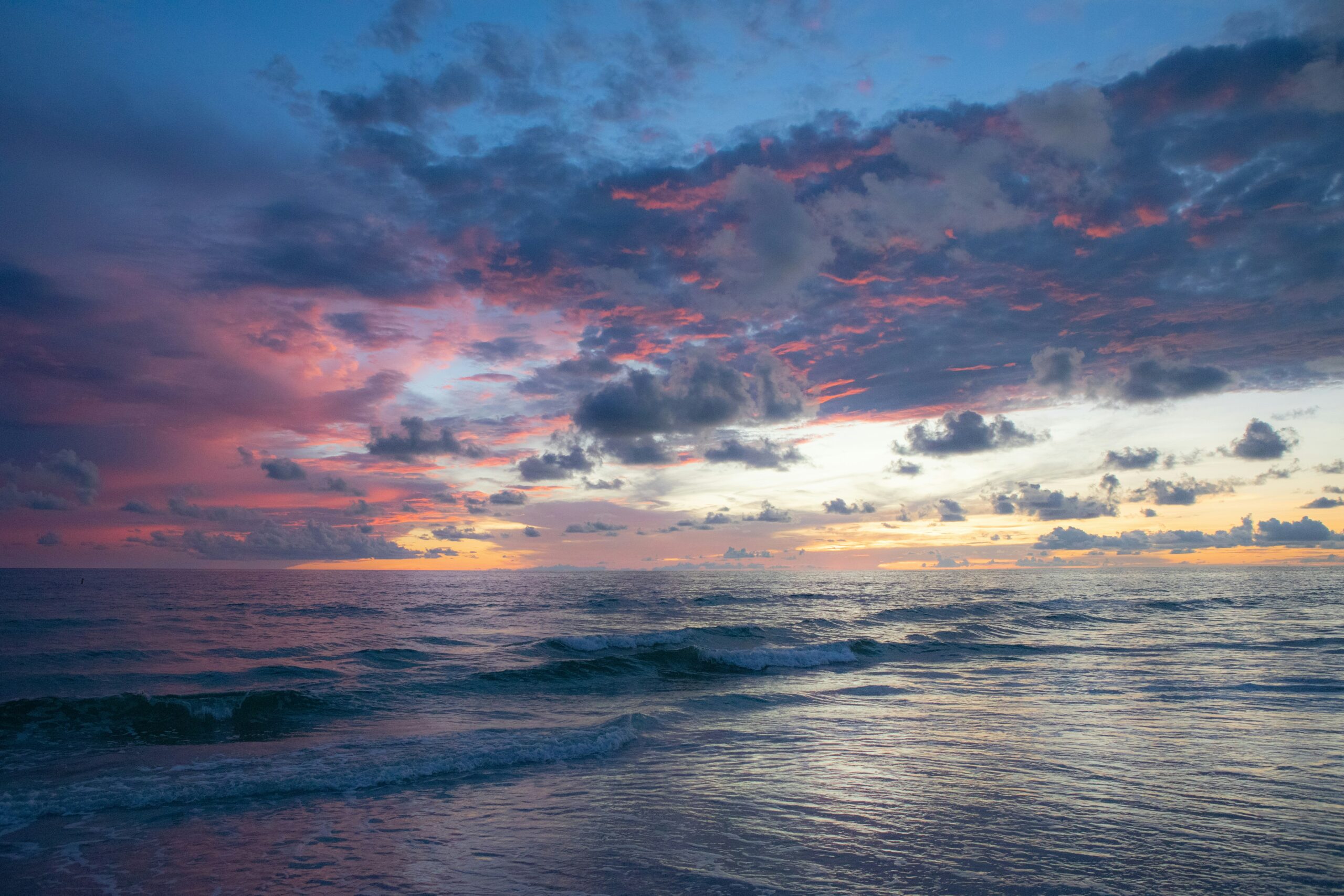
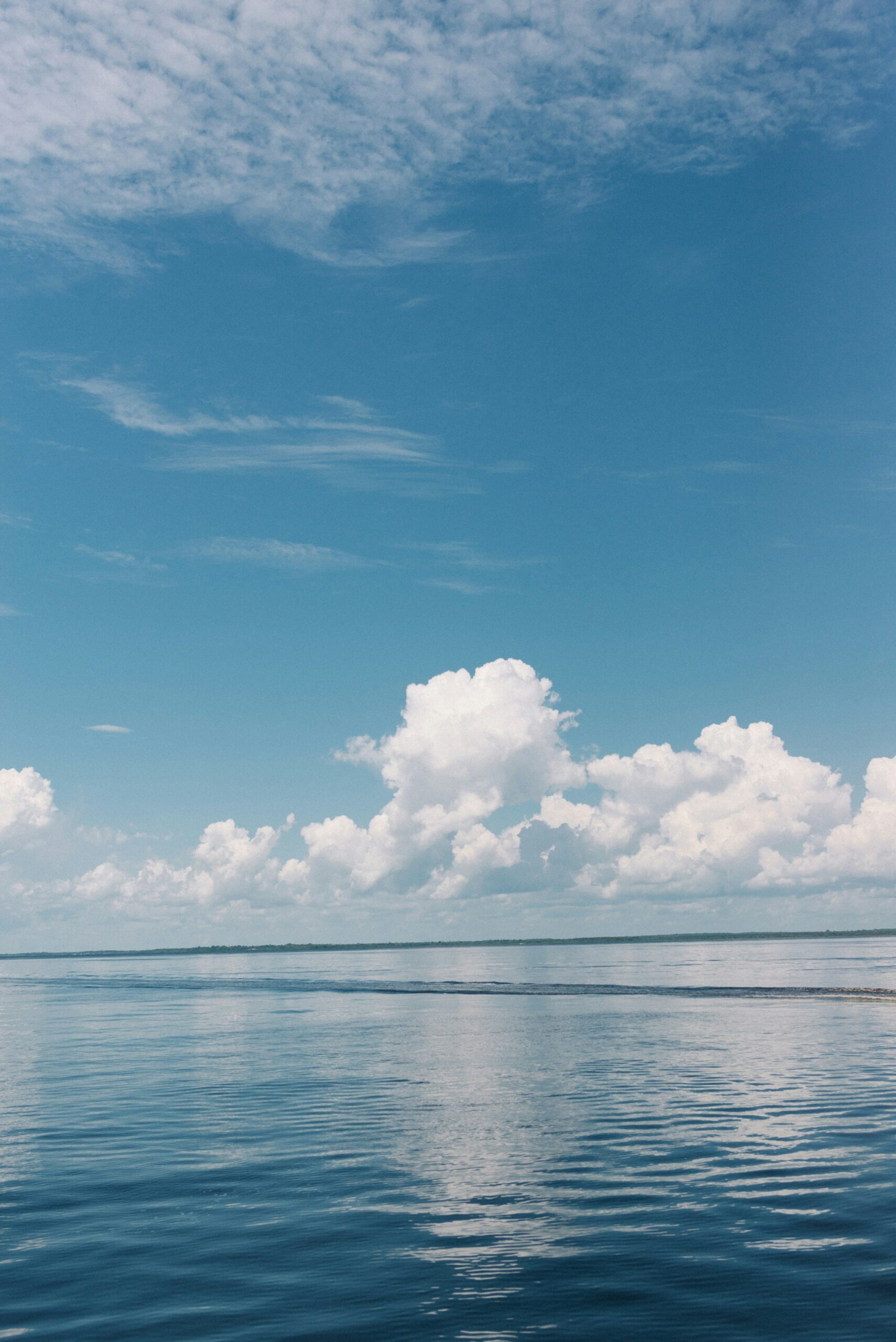
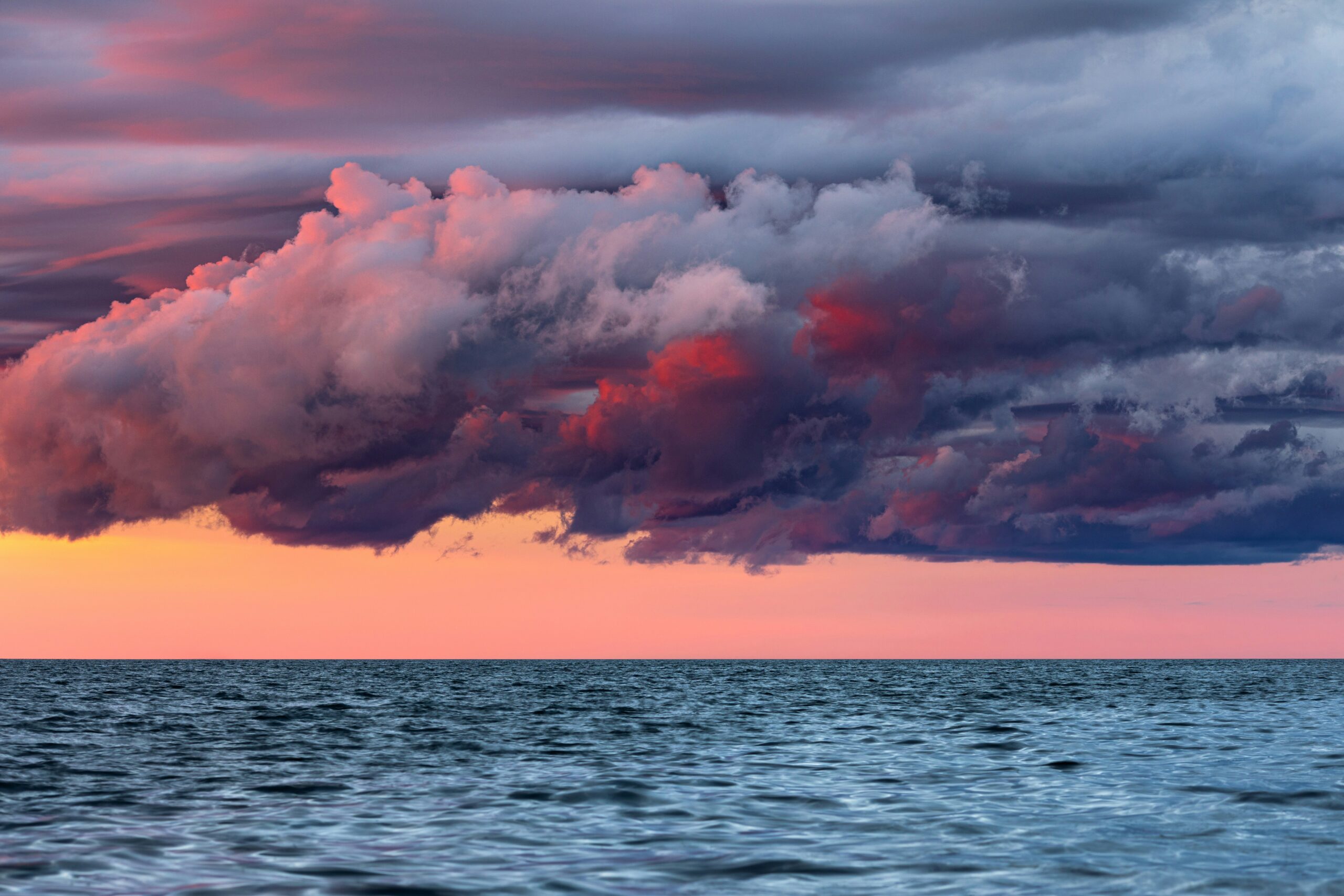
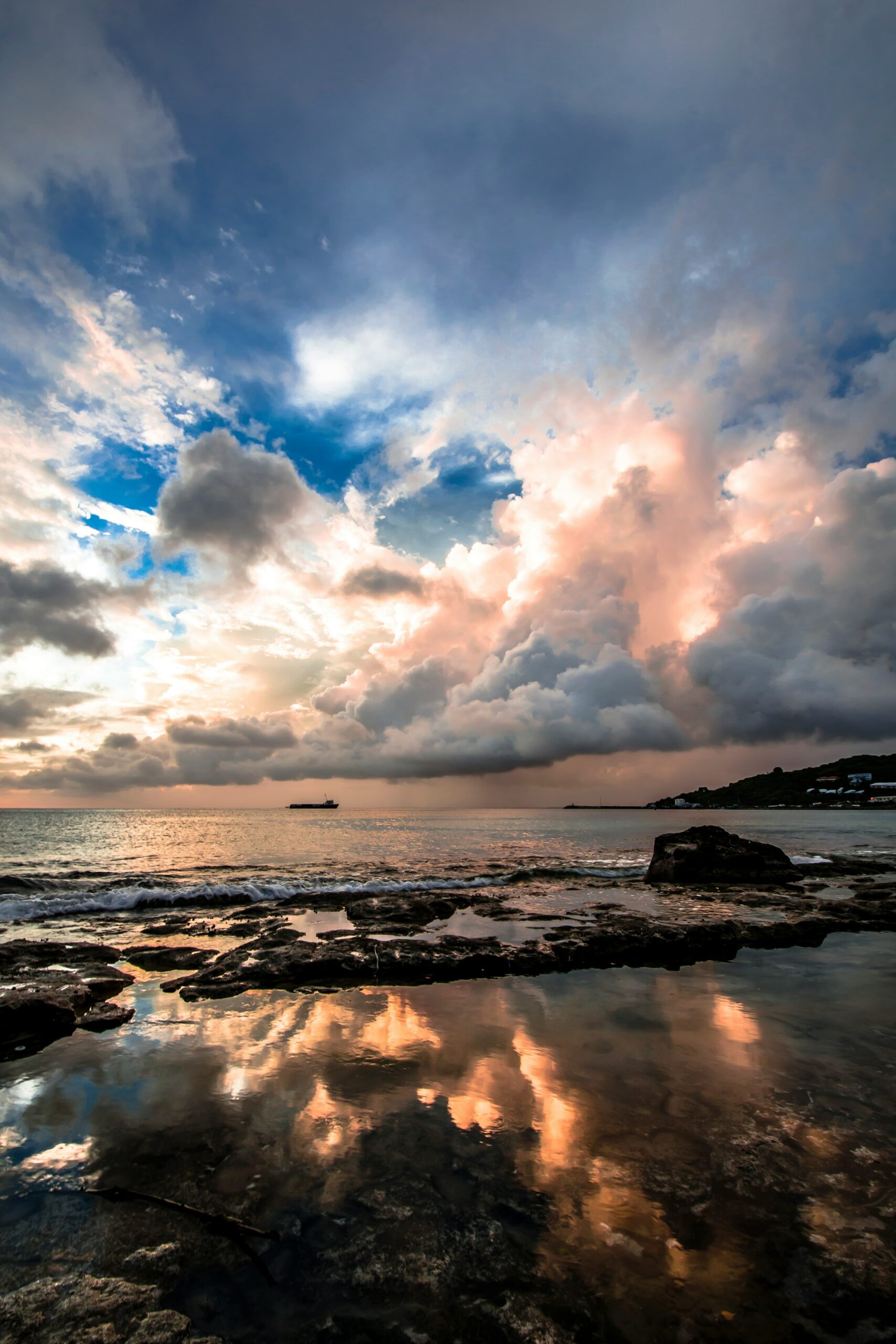
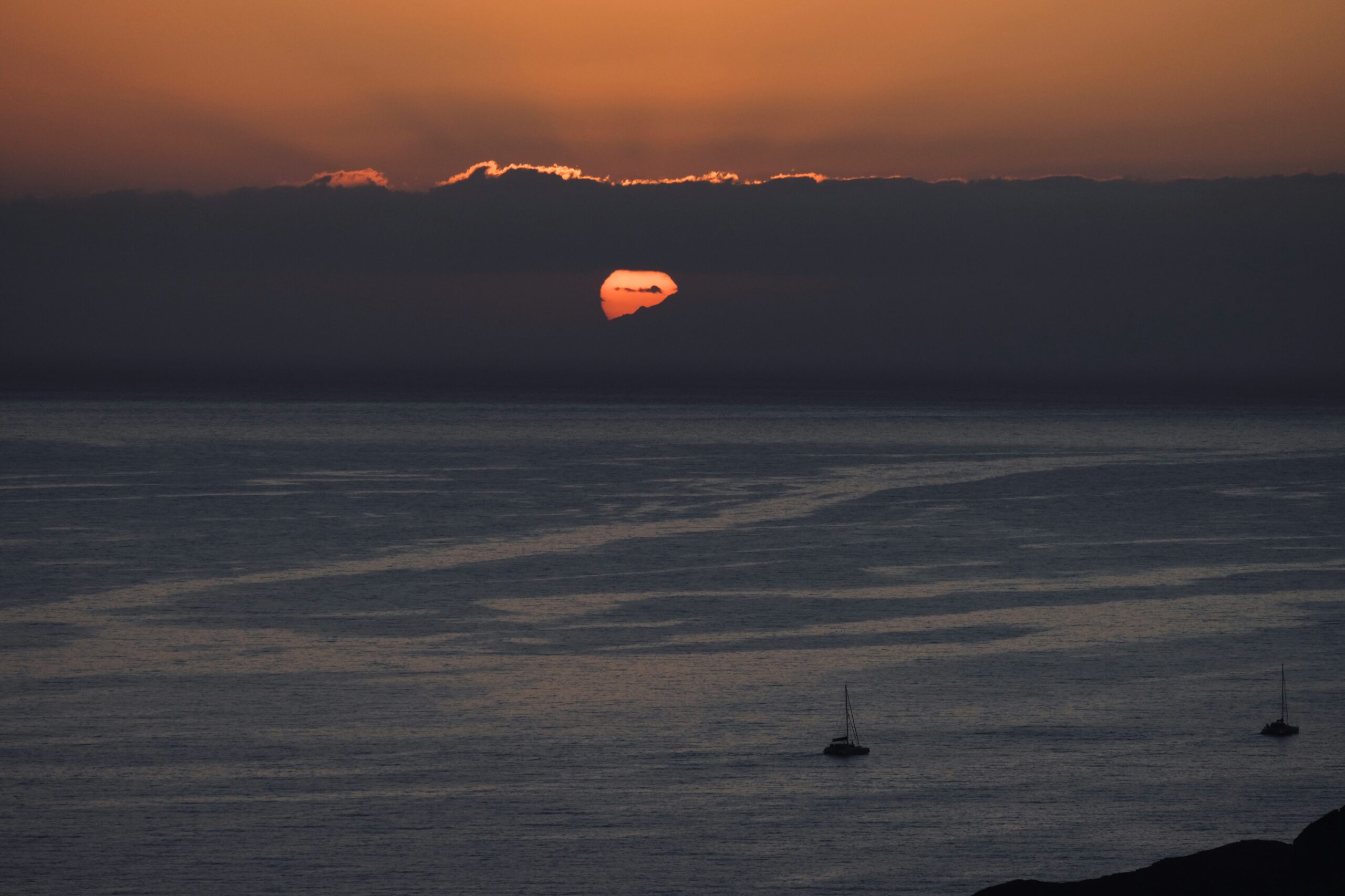
The most experienced sailors were able to predict the weather by looking at the celaje, the clouds covering the sky at a given moment. Based on this observation, they were able to predict what the sea and wind would be like in the coming days. Depending on their conclusions, they would decide whether or not to go out fishing.
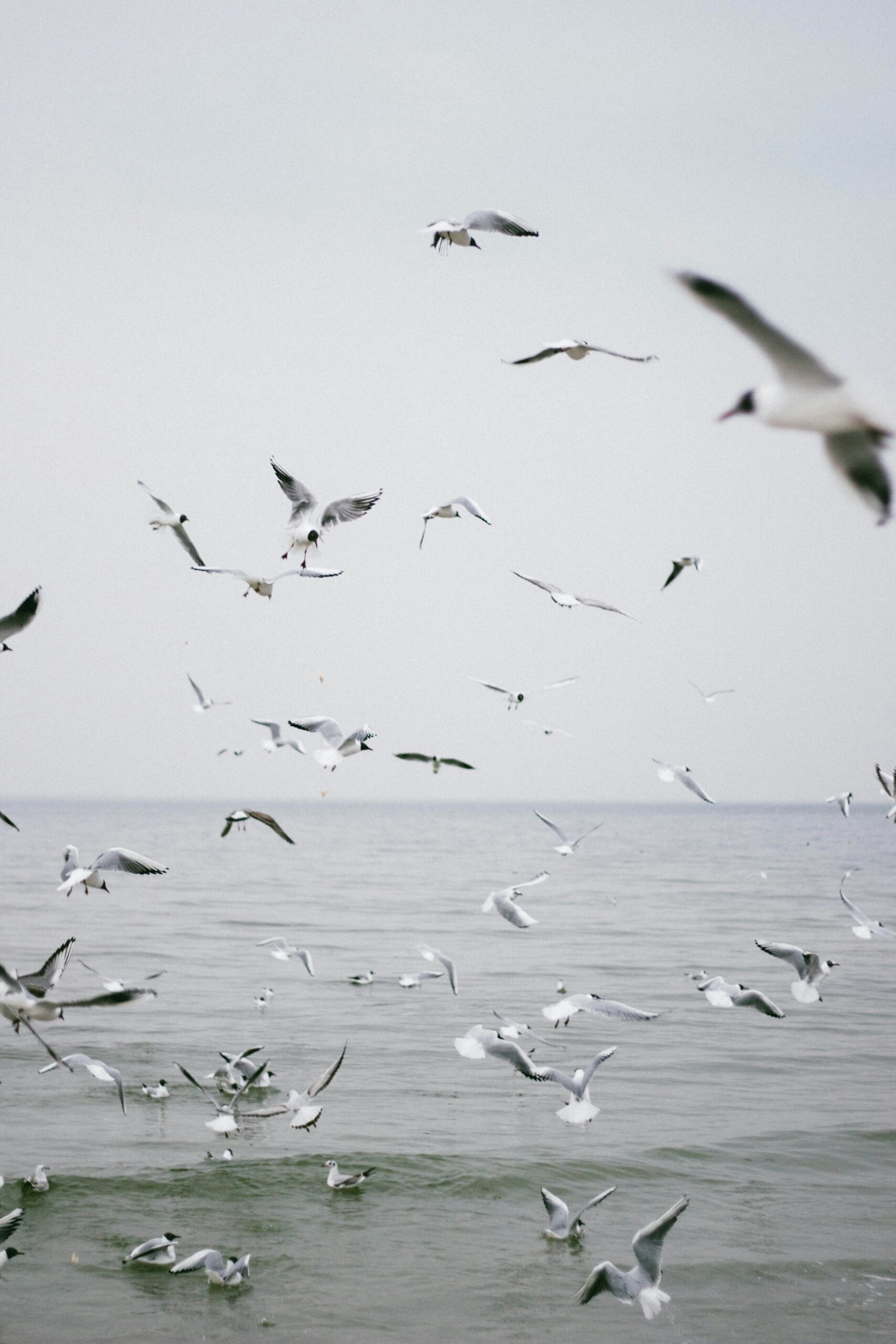
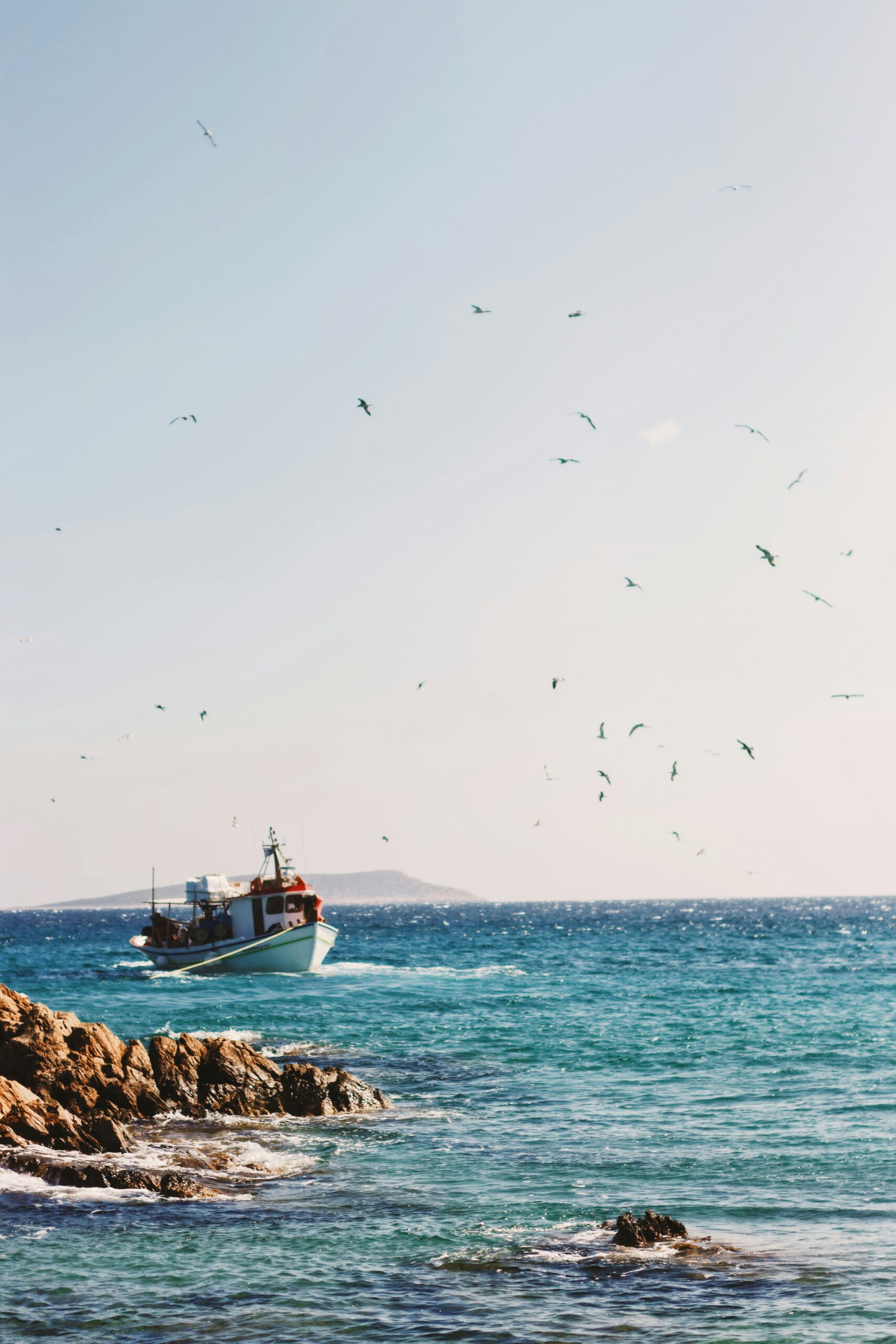
Nowadays, schools of fish can be detected with sonar. However, in the past, seabirds were used for observation. When a flock of shearwaters was seen, it was known that they were feeding on a school of fish. Similarly, the sighting of whales meant that there were small fish around them, along with bonito and albacore.
Before the widespread use of weather reports based on satellite images, the traditional way of predicting the future weather was undoubtedly the cabañuelas.
To calculate the weather, on the first day of each season, people interested in knowing the future weather gather in a place with a clear view of the sky and the sea. The cabañuelista notes down the minute-by-minute behaviour of the wind, rain, humidity, temperature and sea conditions in a notebook. The notes taken every minute are supposed to provide information about the weather for every three days of the season that is beginning. The data recorded is then reviewed and a weather forecast is issued and distributed in the area where the cabañuelas were carried out.
Unfortunately, the popular wisdom of fishermen is gradually being lost. The younger generations have stopped looking at the sky and observing the behaviour of birds and marine species to understand the natural laws that govern marine life.