
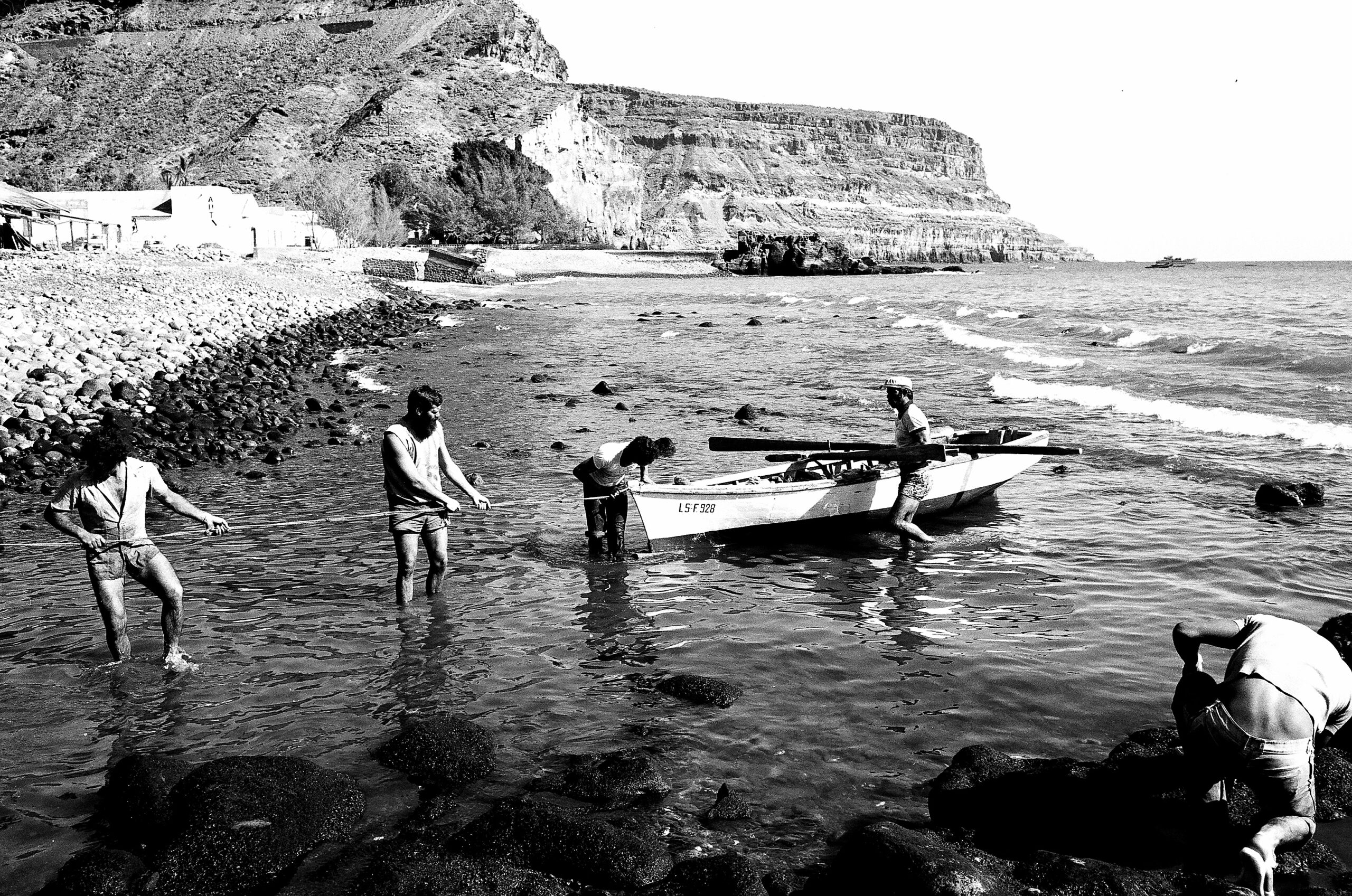
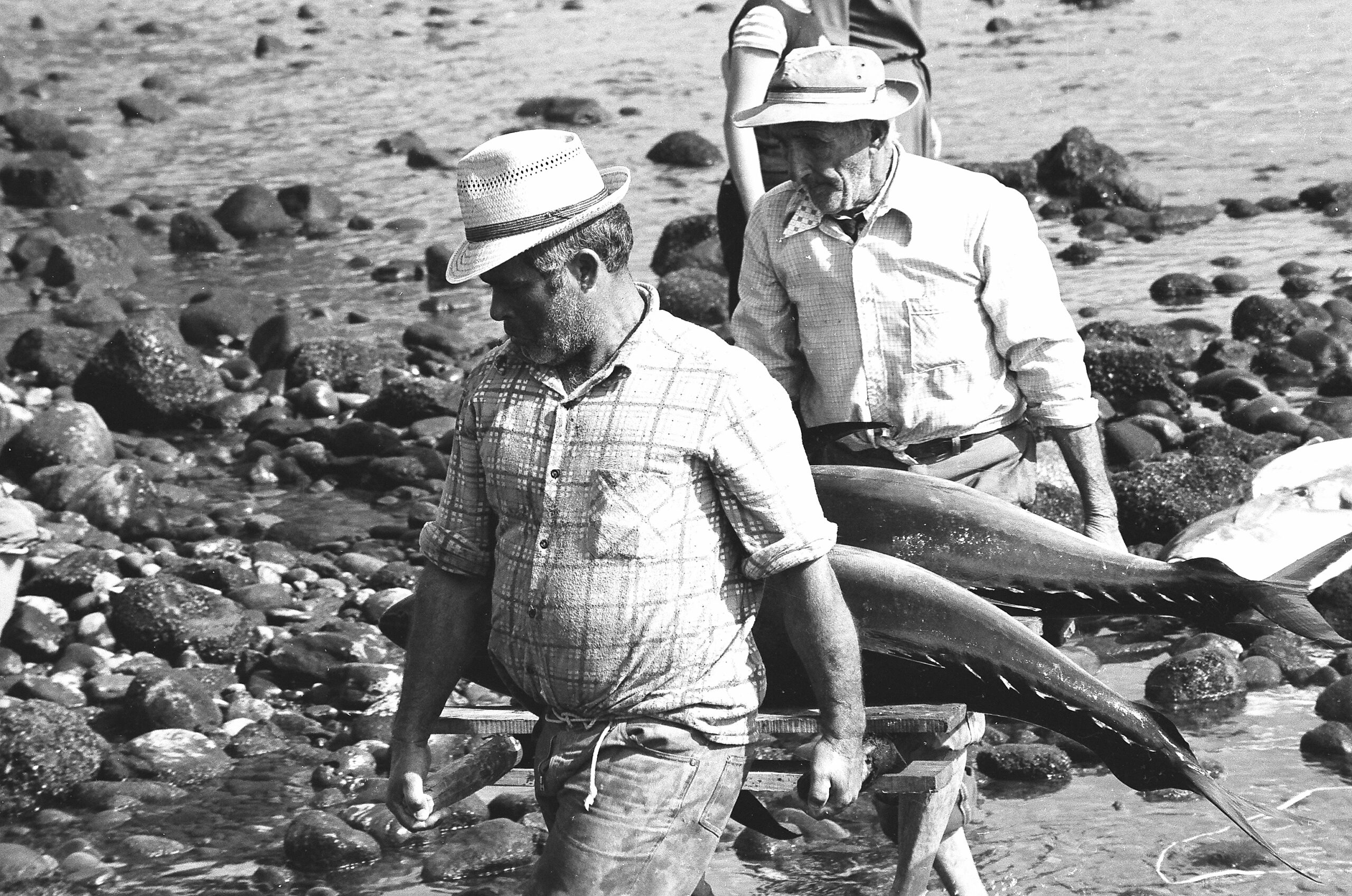
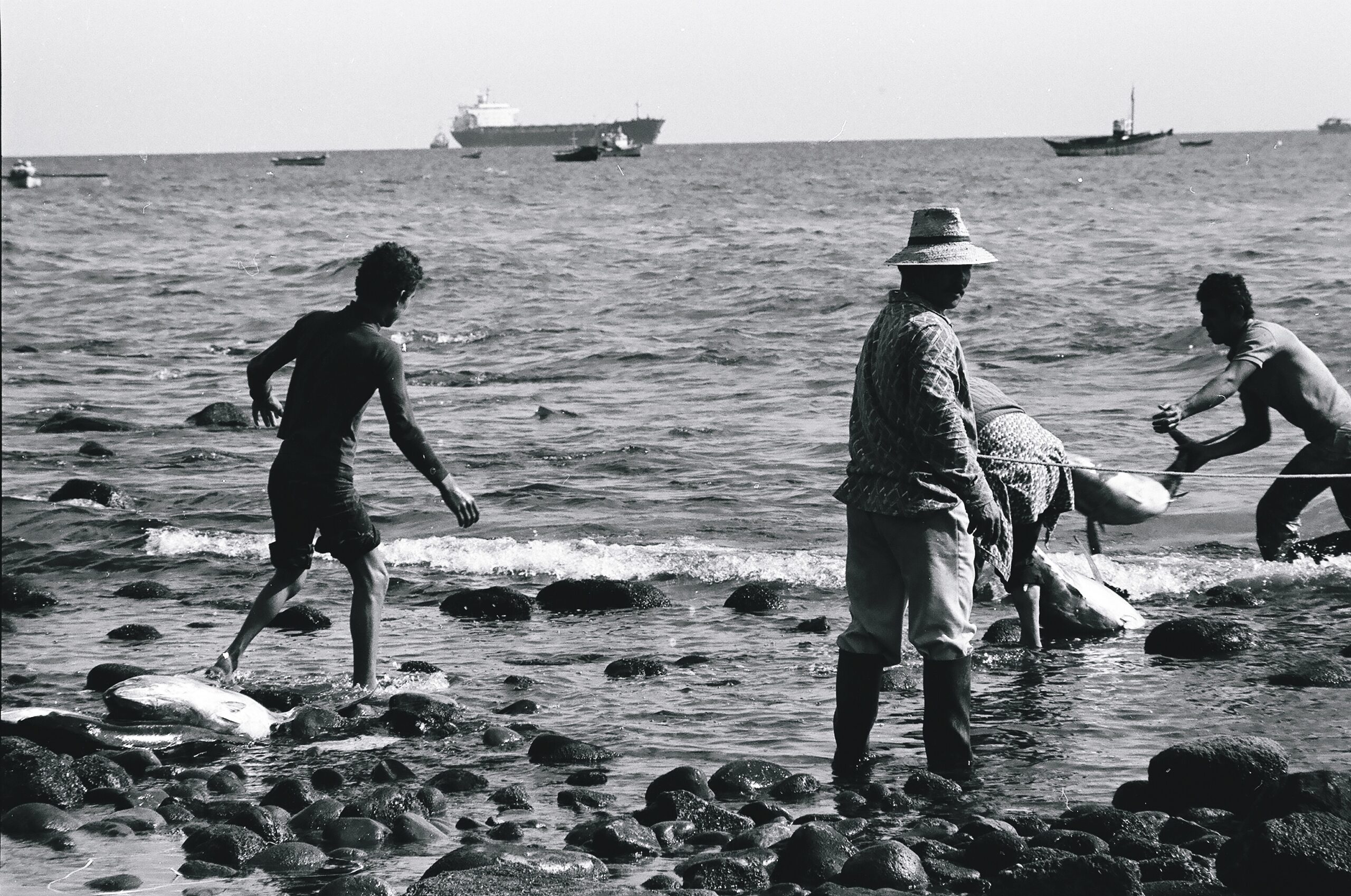
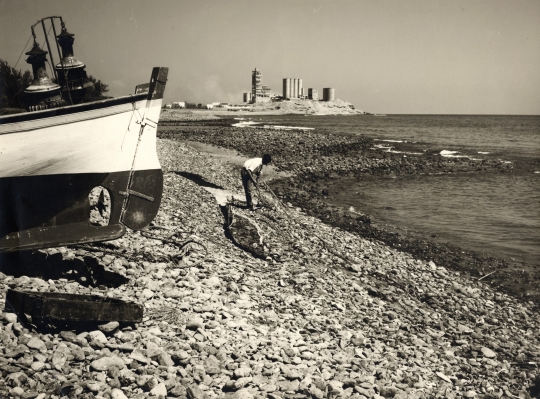

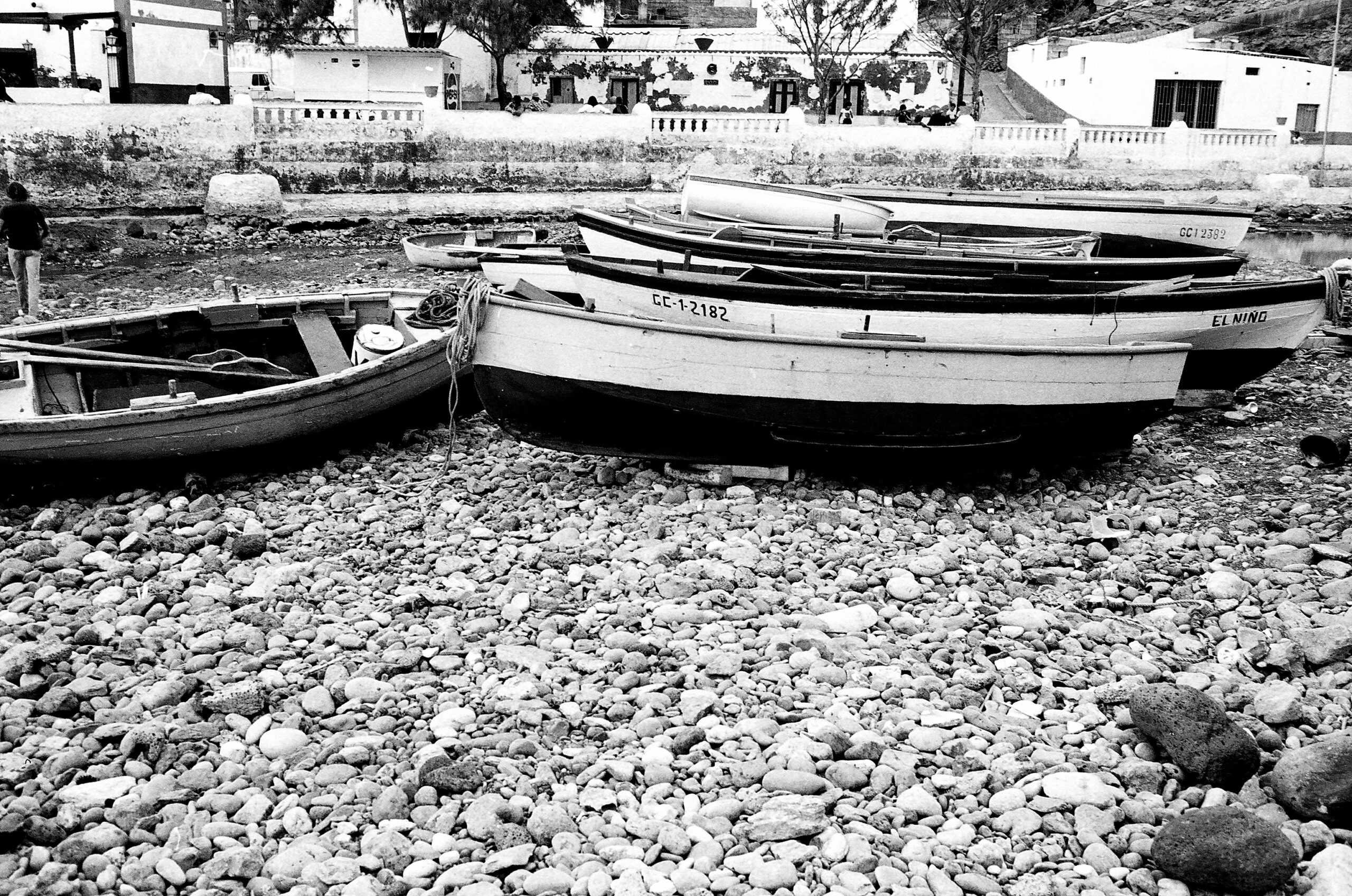
THE CREATION OF FISHING COMMUNITIES
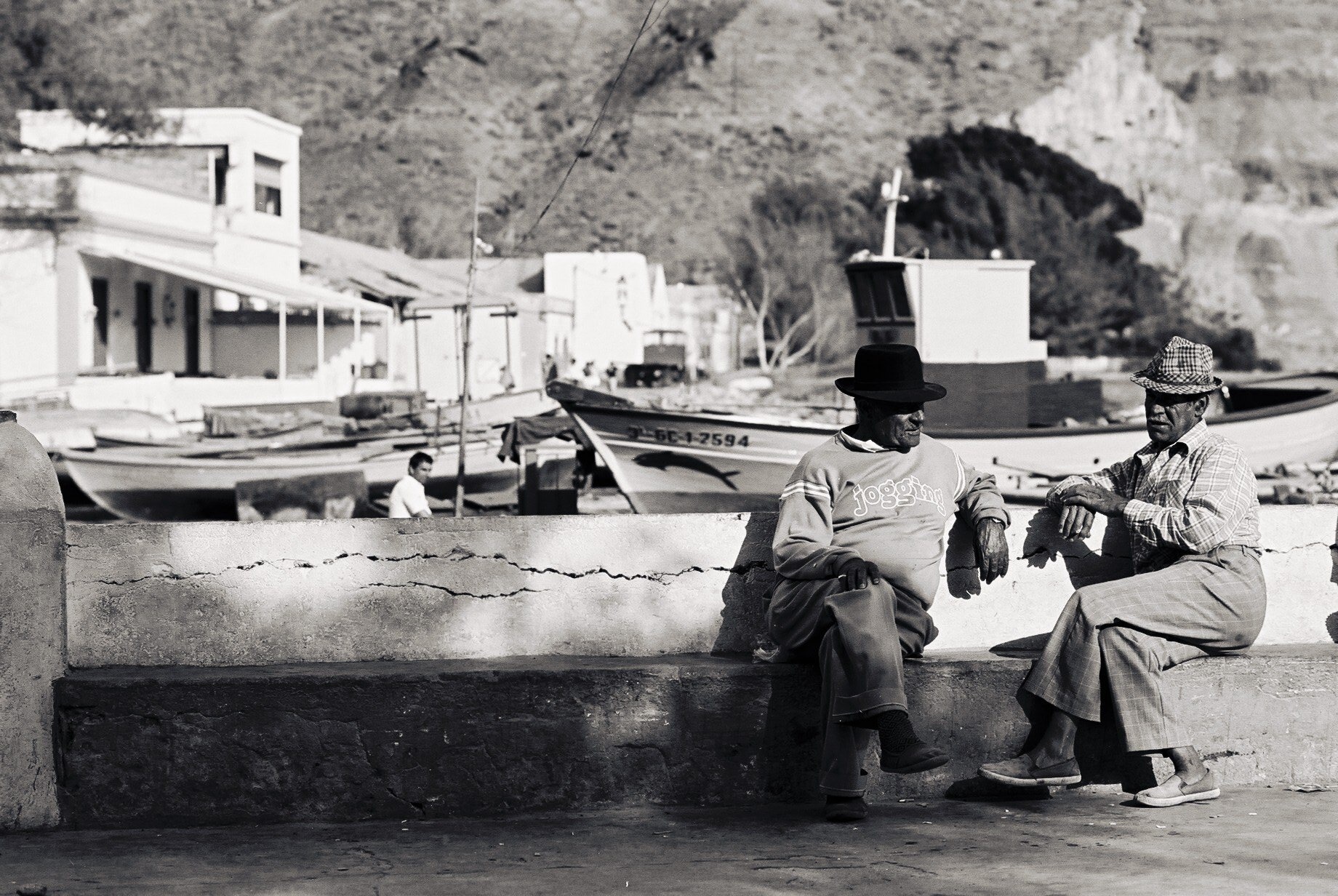
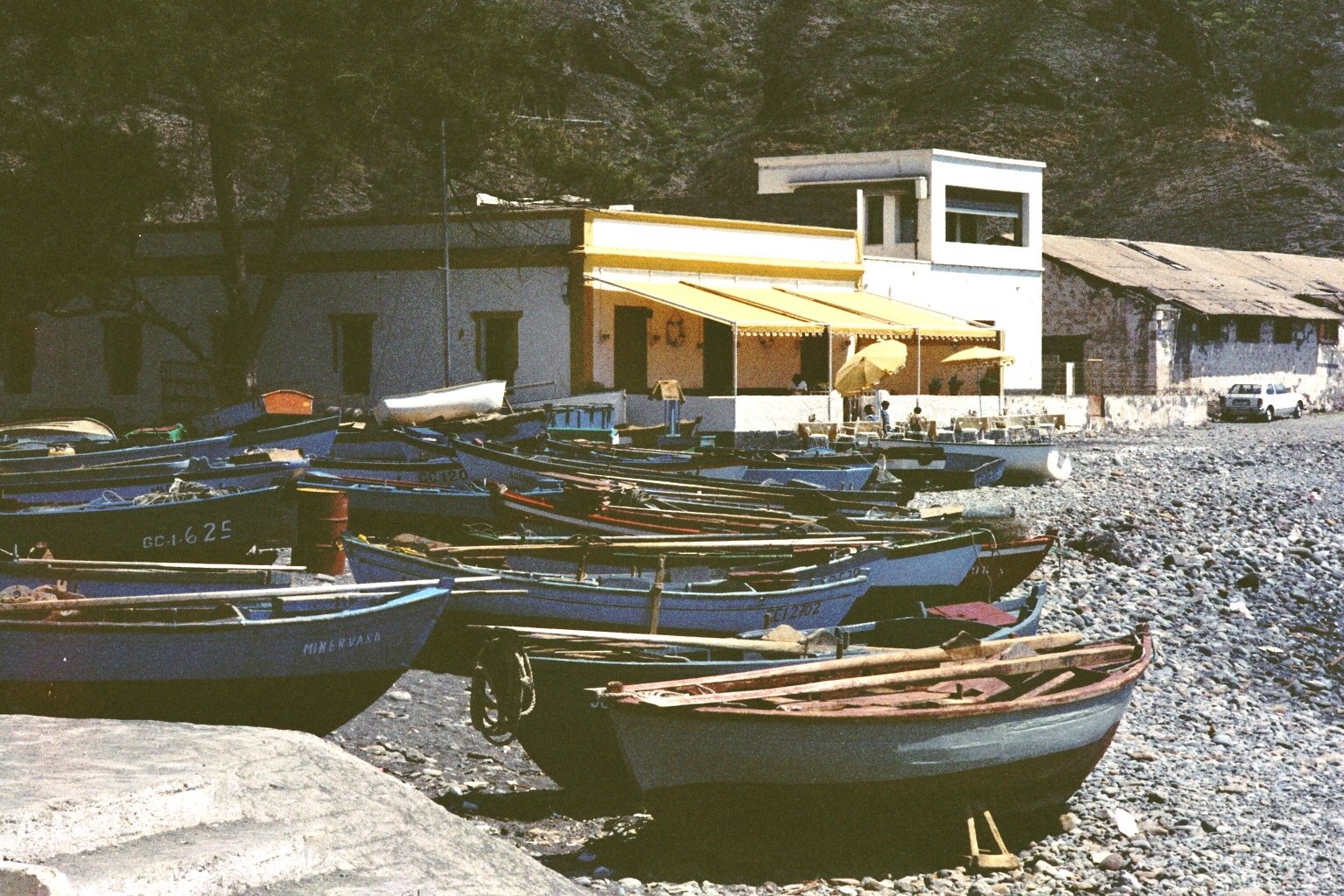
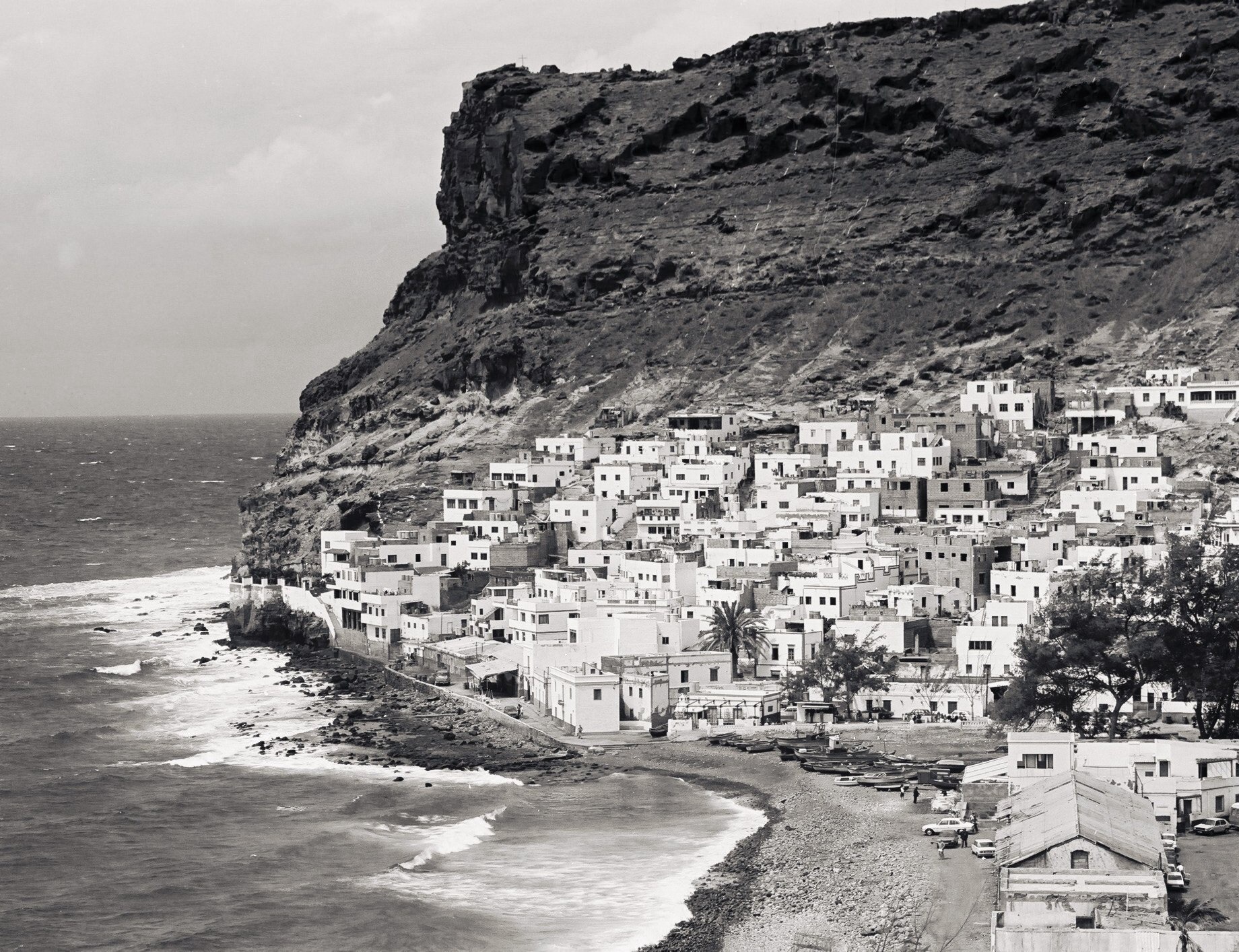
It was in 1900 when fishing began to play an important role in the municipality’s economic activities.
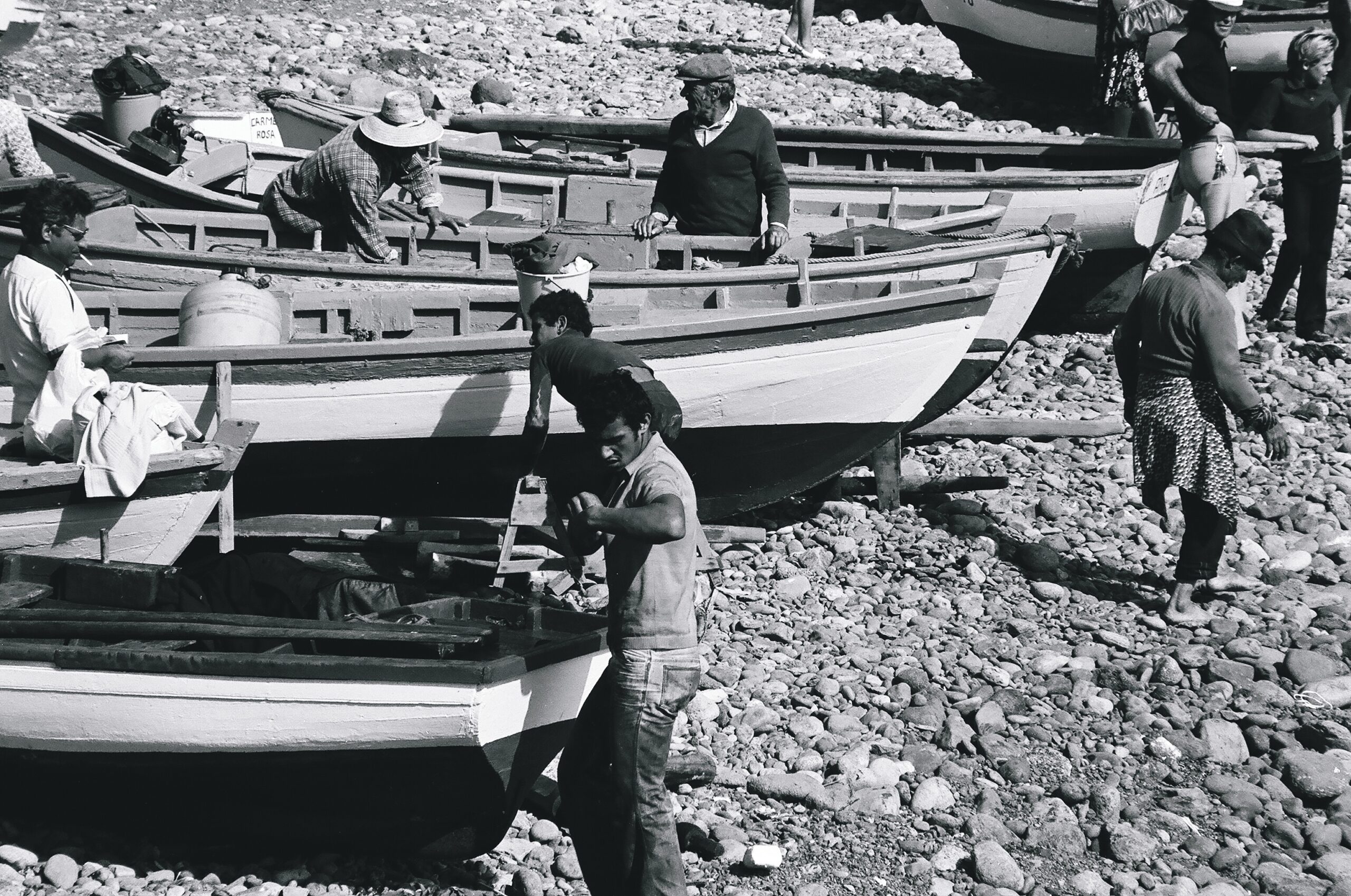
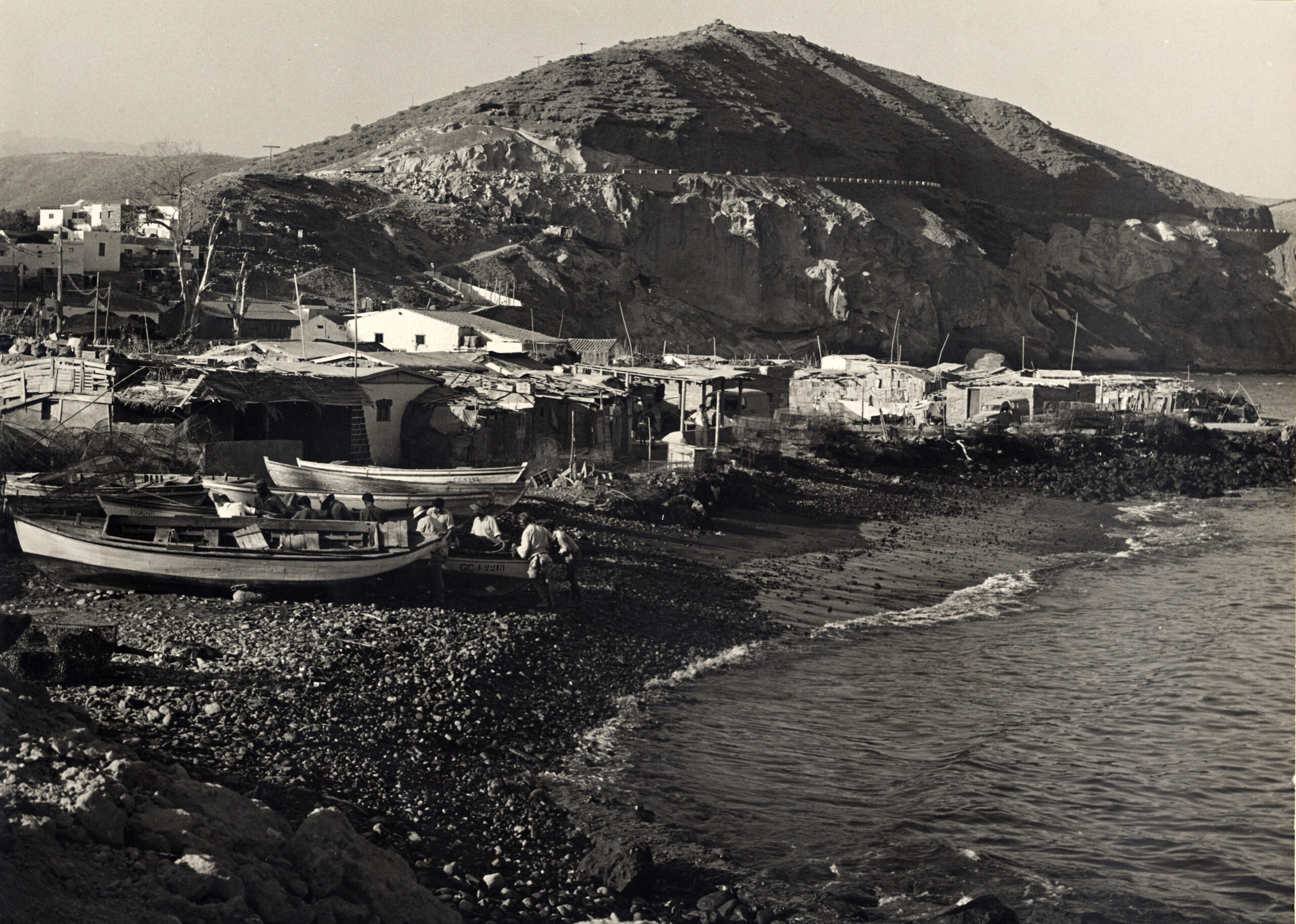
At the beginning of the 20th century, fish was traded for agricultural products in areas near the coast. This provided eggs, gofio (a type of cornmeal), vegetables and other foods that supplemented the diet. Fish was also sold, usually by women, to nearby settlements.
During the following two decades, fish from Mogán also began to be distributed in Telde and Las Palmas de Gran Canaria. The catch was taken by sea to Melenara, from where it was distributed by road, either by animal or truck, to the town of Telde and the capital. In this case, the fish was no longer sold by the fishermen’s families but by professional sellers who then paid their suppliers.
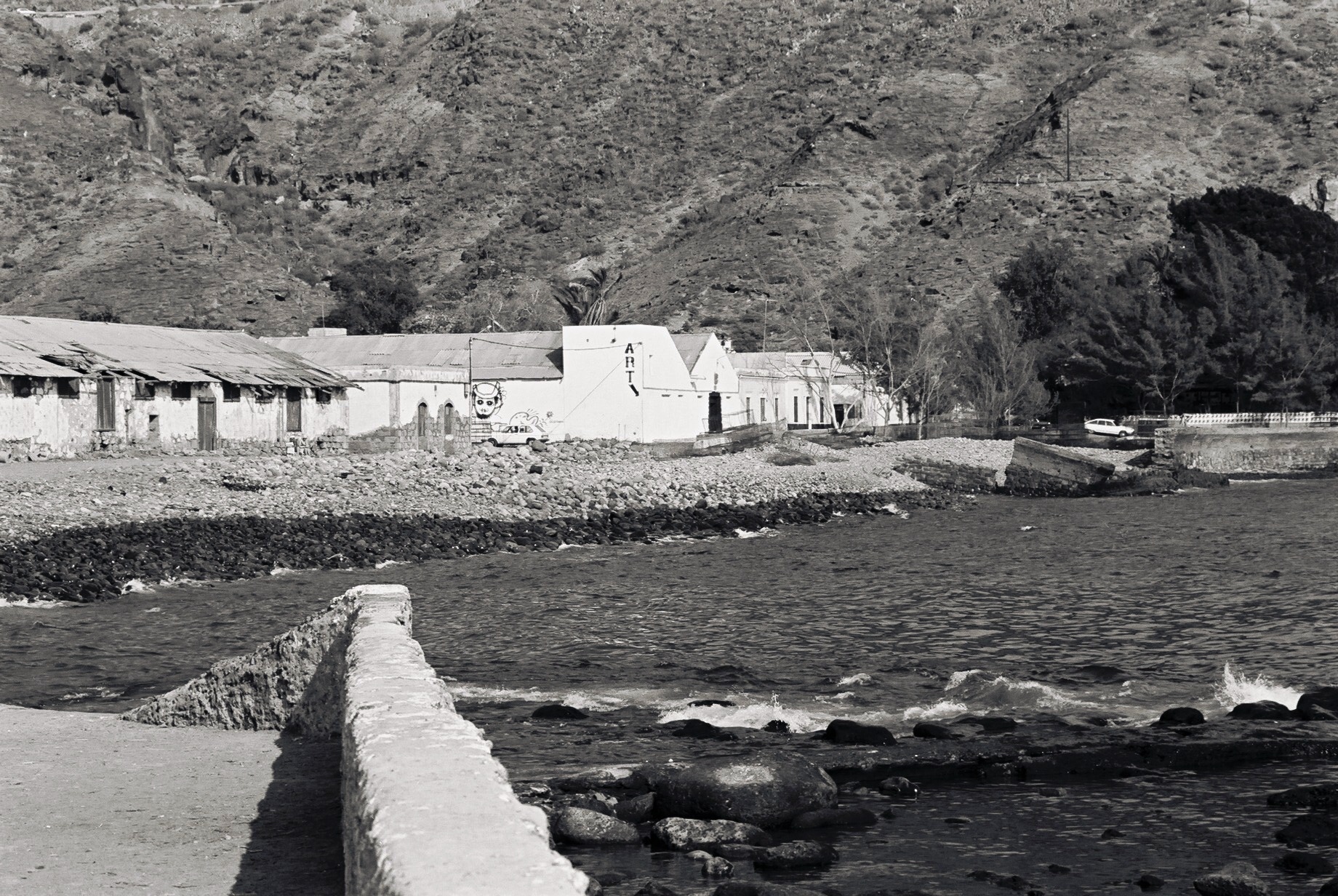
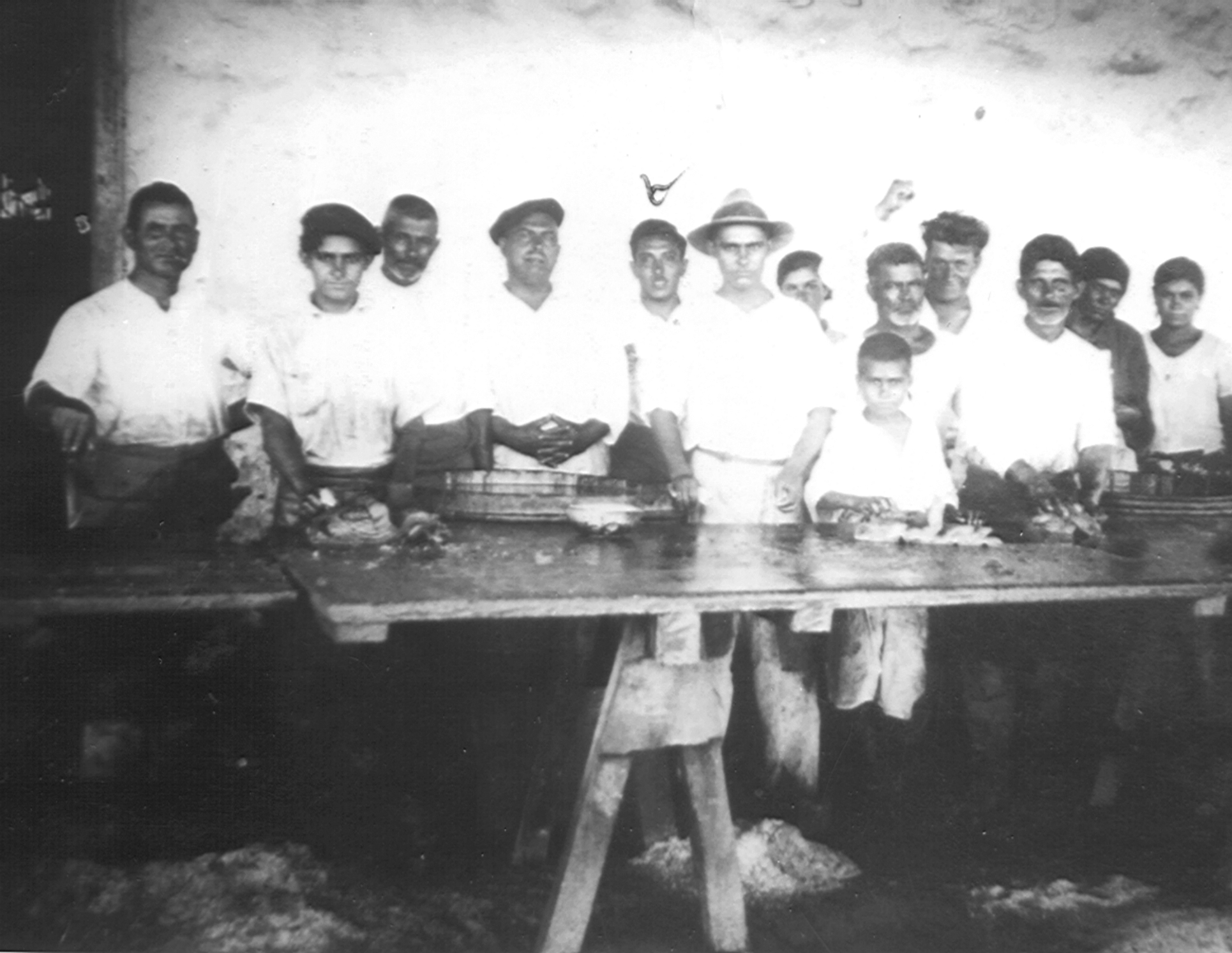
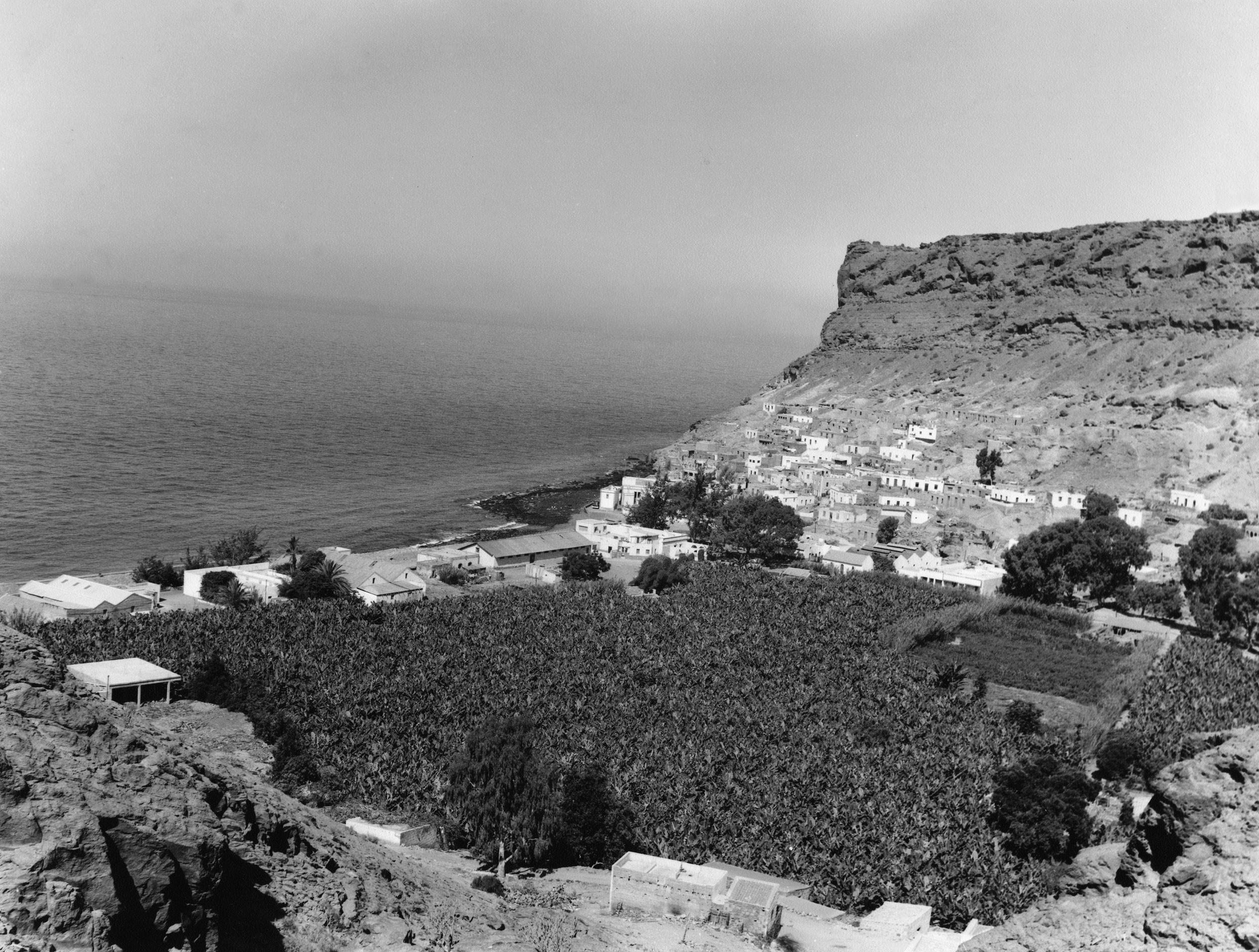
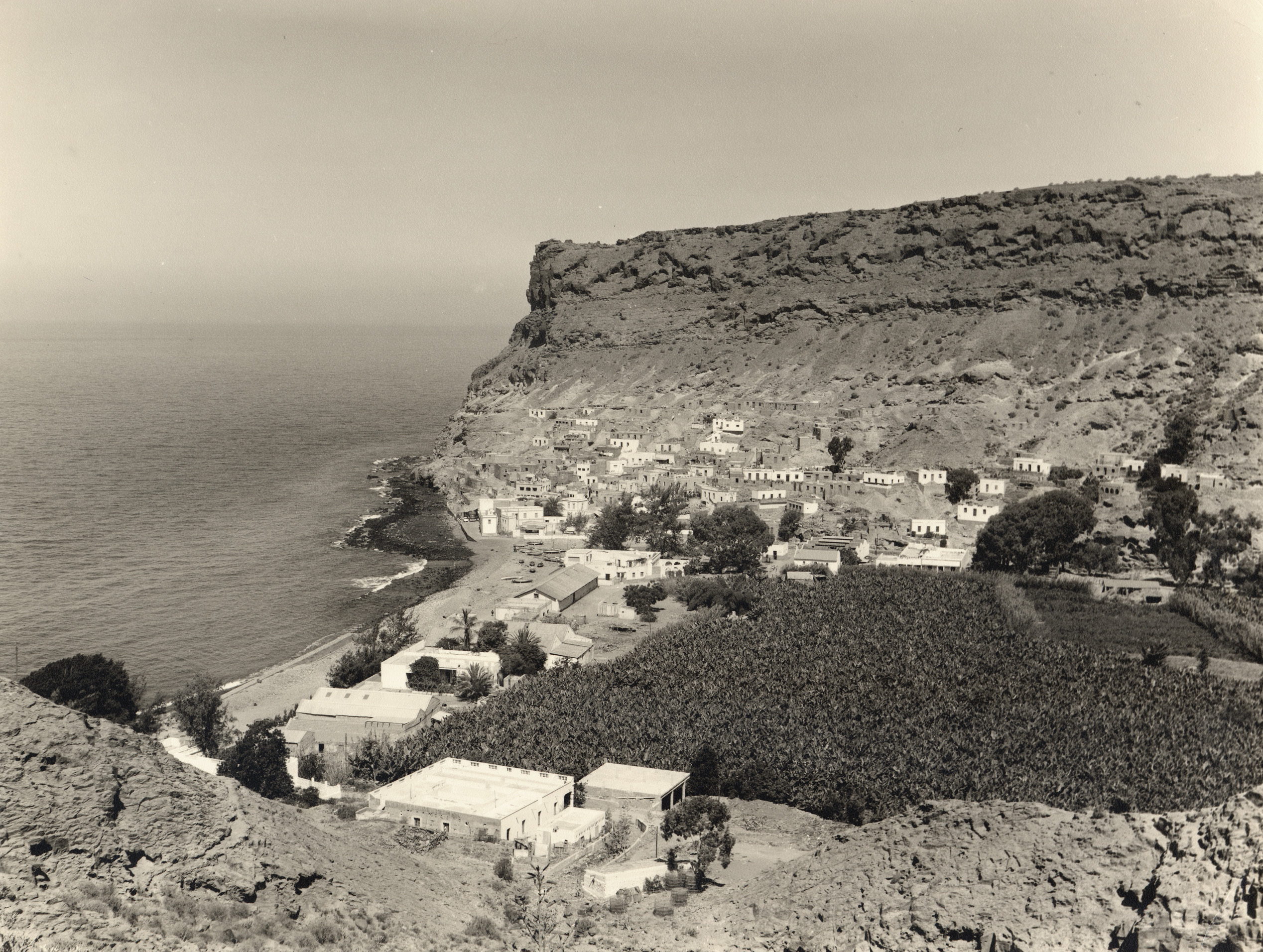
Given the large amount of fish being caught, both at Mogán Beach and in Arguineguín, salting companies decided to set up in the municipality to process the fish on the same quays where it was unloaded.
These industries helped to consolidate the fishing sector in the area, not only increasing the population linked to fishing in the two places mentioned above, but also causing the number of catches to grow exponentially.
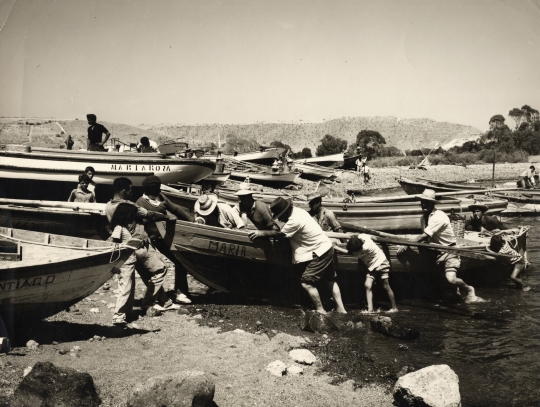
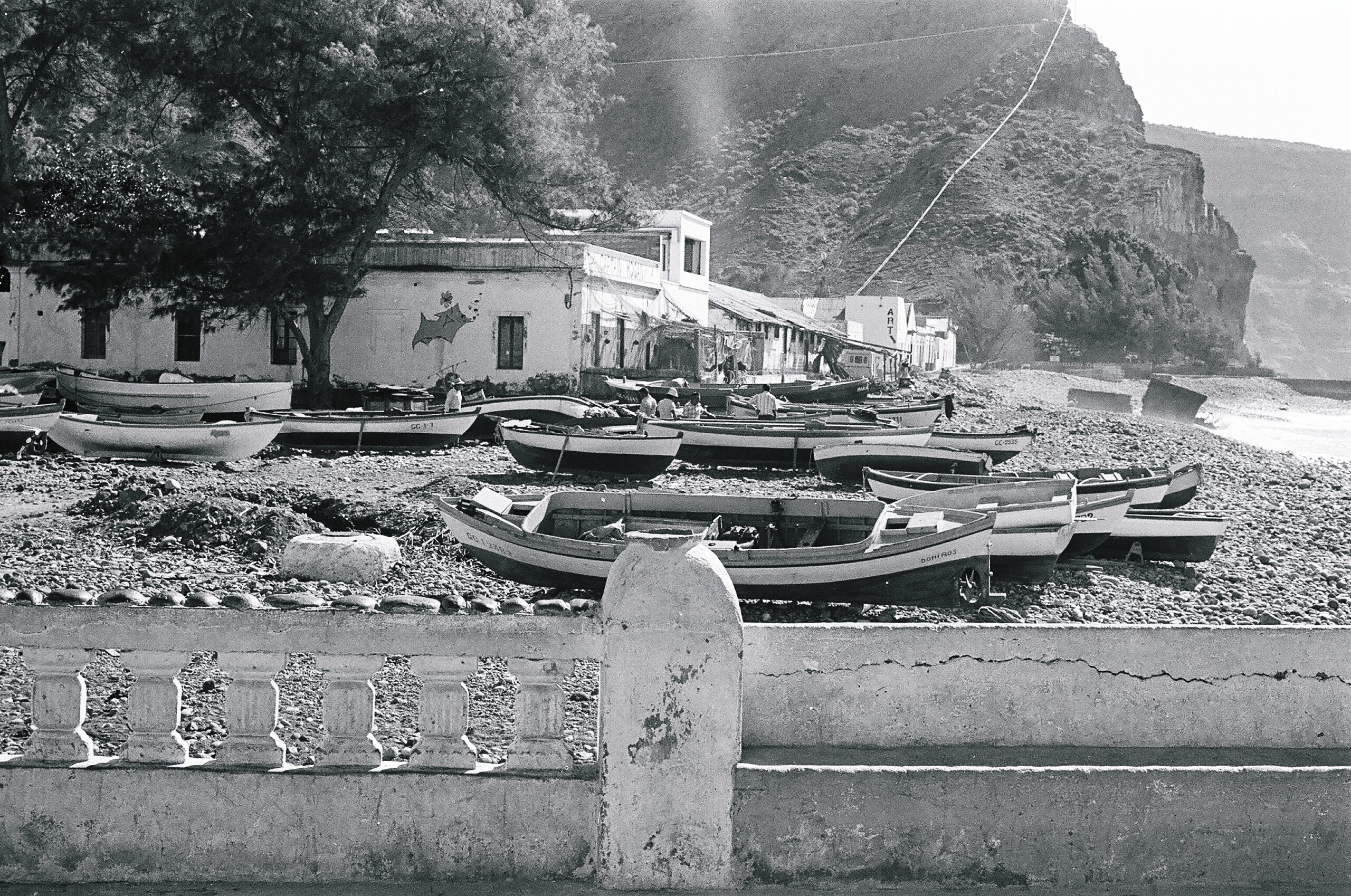
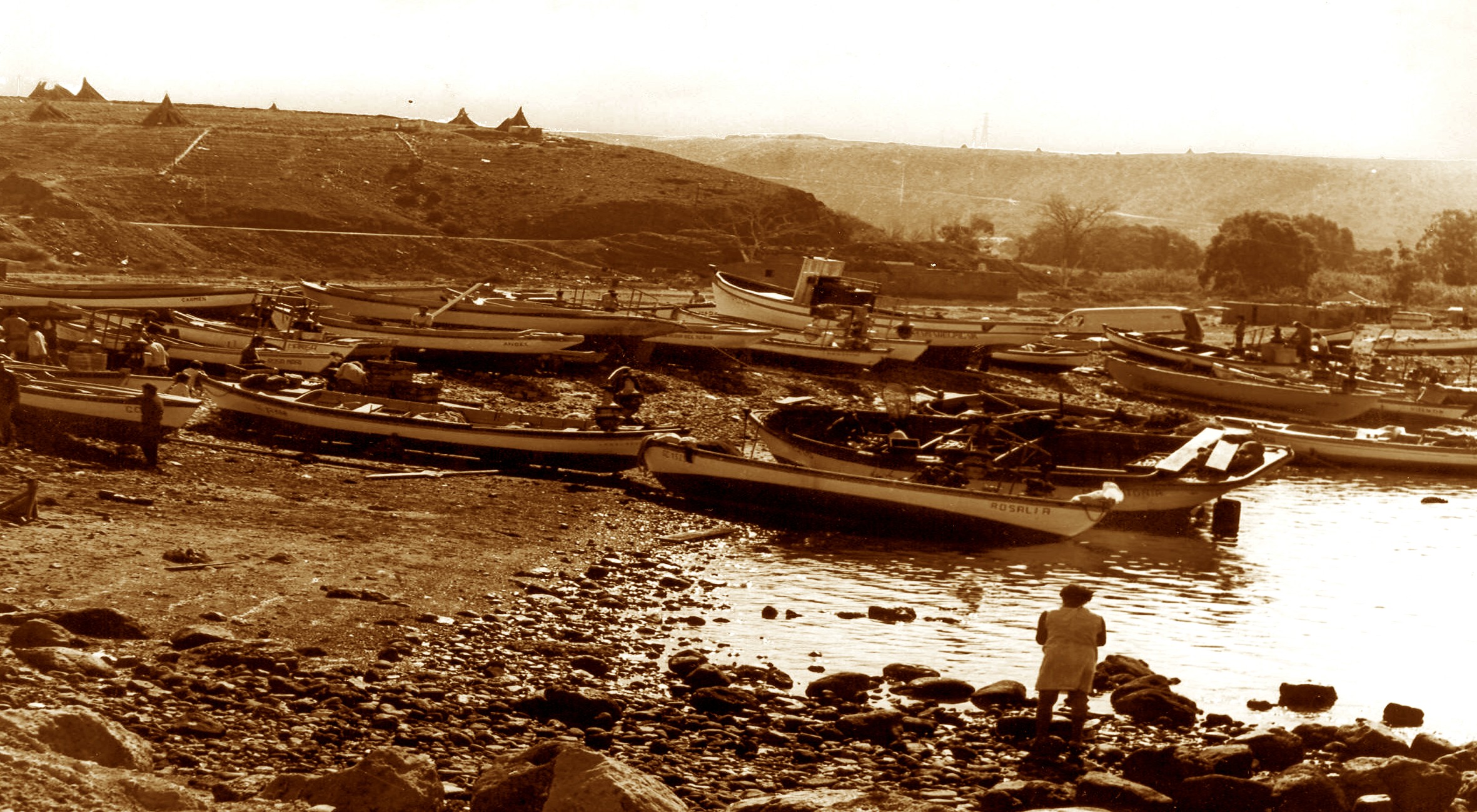
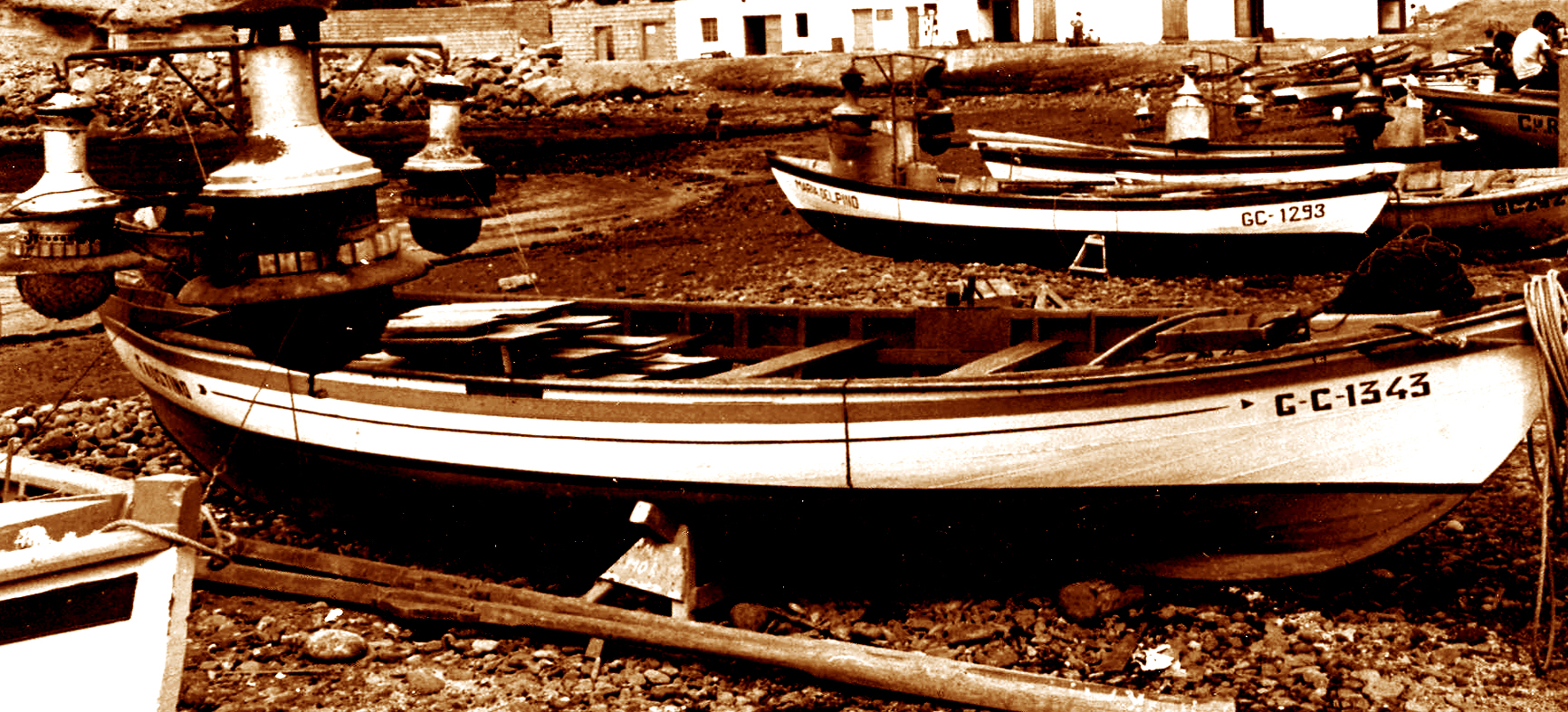
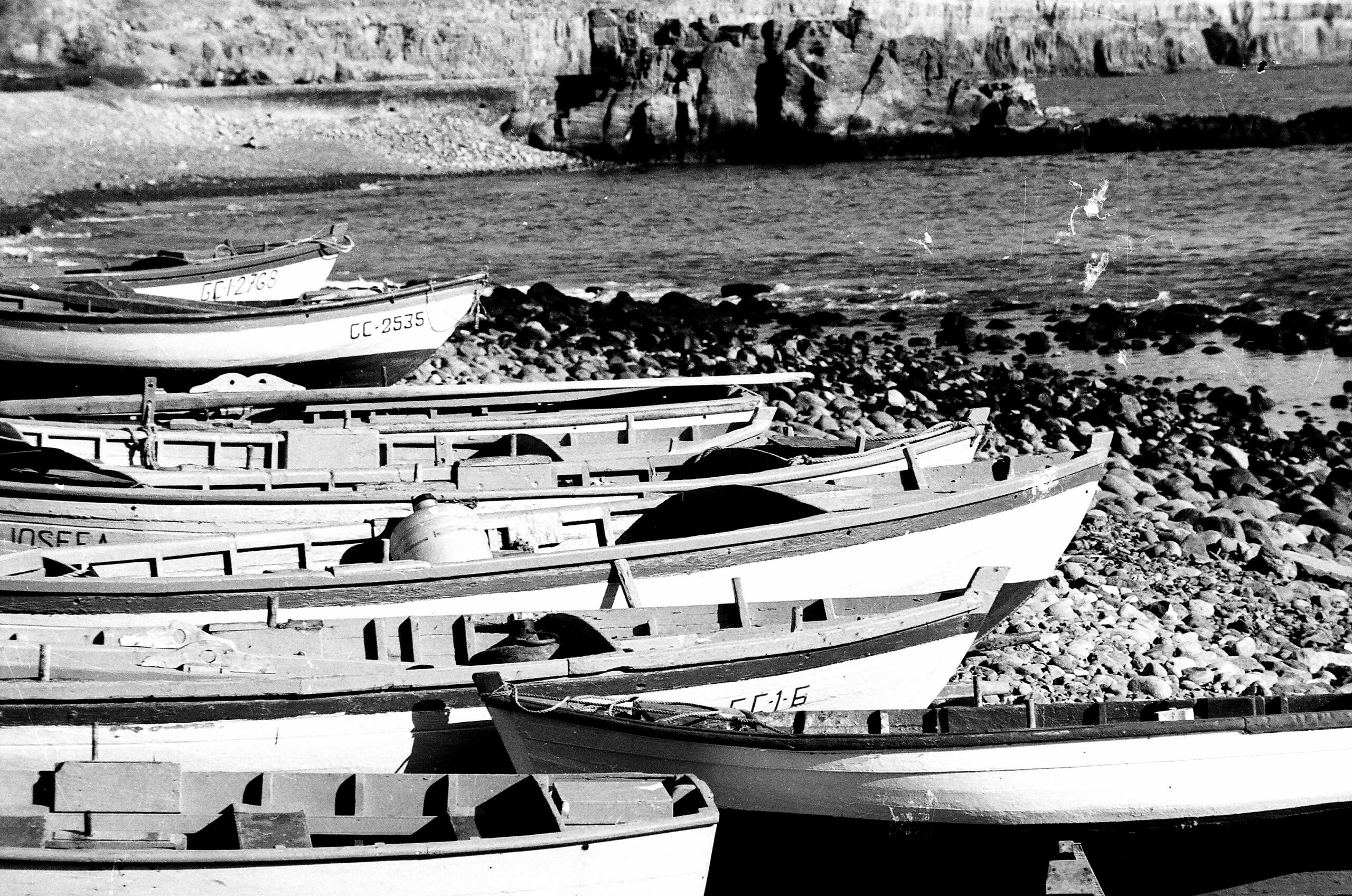
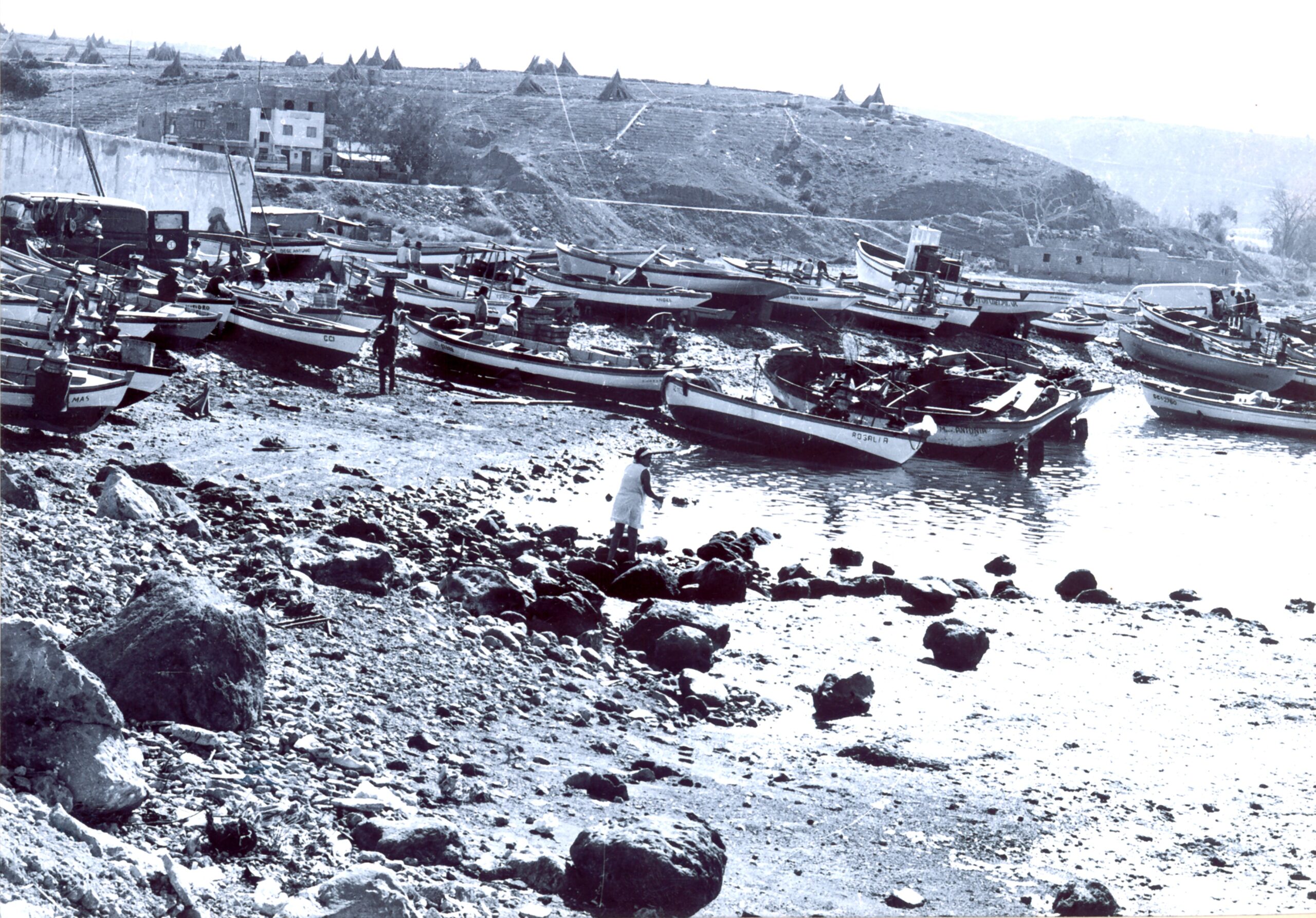
The salting companies promoted the modernisation of fishing vessels, distributing rowing and sailing boats among the fishermen.
In exchange, they had to sell all their catches to the factory that had provided them with the boat, at the price set by the factory.
In the 1930s, thanks to the Lloret y Llinares factory, a new fishing technique was introduced in the Mogano fishing sector: the traíña. This made it possible to increase catches of mackerel, horse mackerel, sardines and red mullet, species that until then had been caught using longlines. In addition, Petromix lights began to be used for night fishing, replacing the traditional mechones (wicks) that were lit with fish oil or bait.
Between 1930 and approximately the beginning of the 1960s, fishing in Mogán experienced a period of great prosperity. What was initially a marginal activity became a production focused on commercialisation in the hands of the large salting companies that had established themselves in the municipality.