




THE FISHING INDUSTRY IS MODERNISED
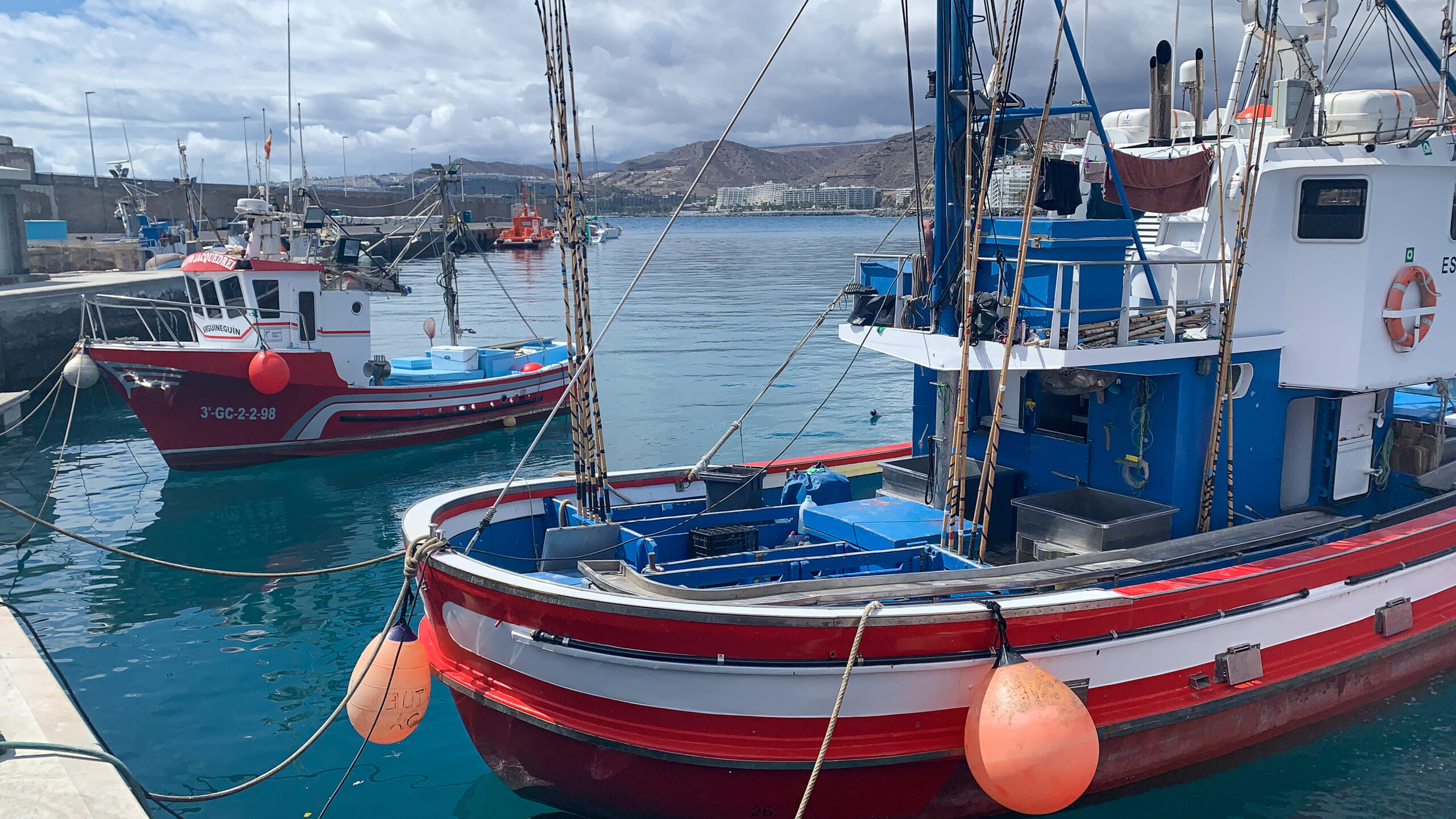
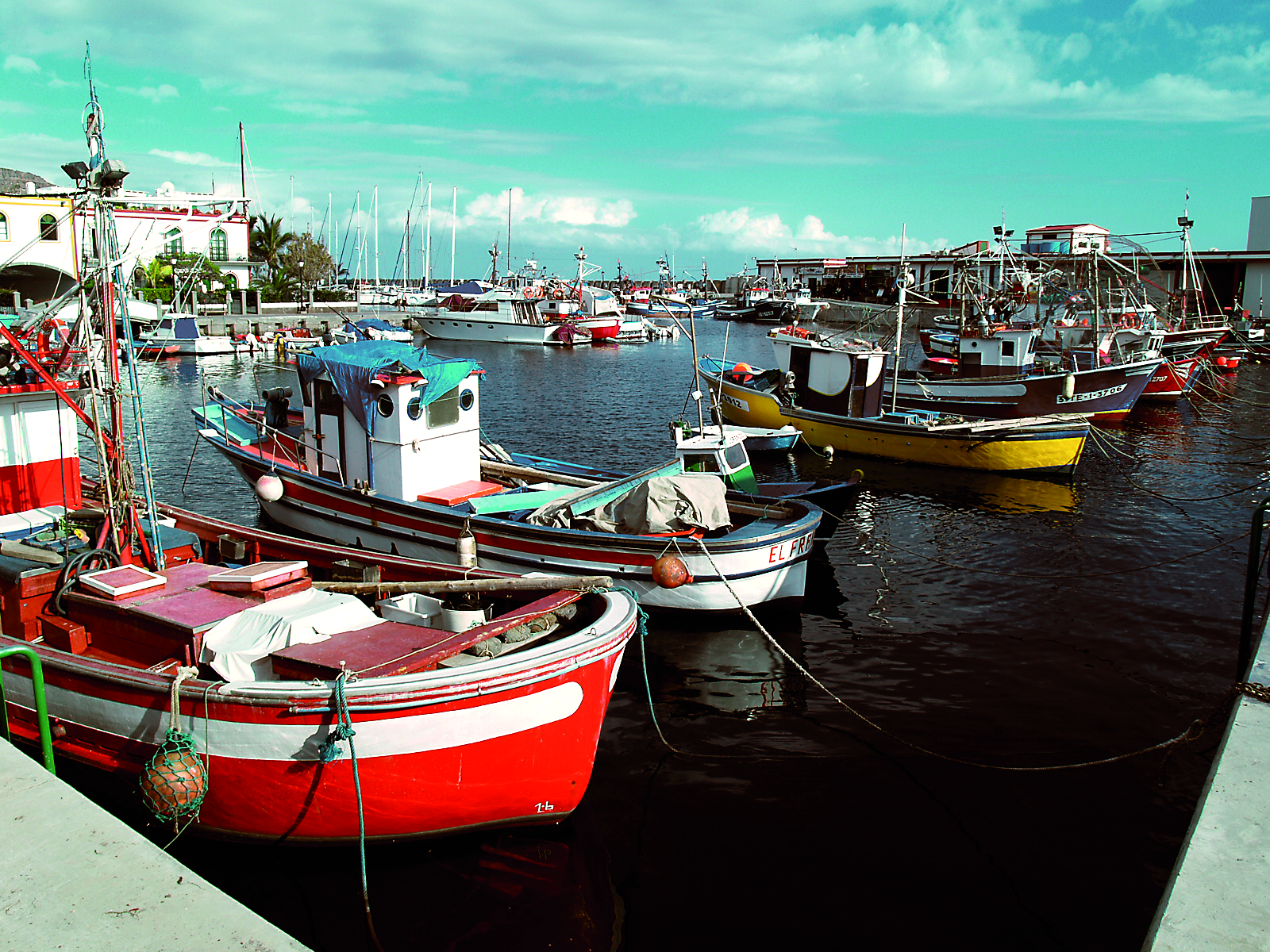
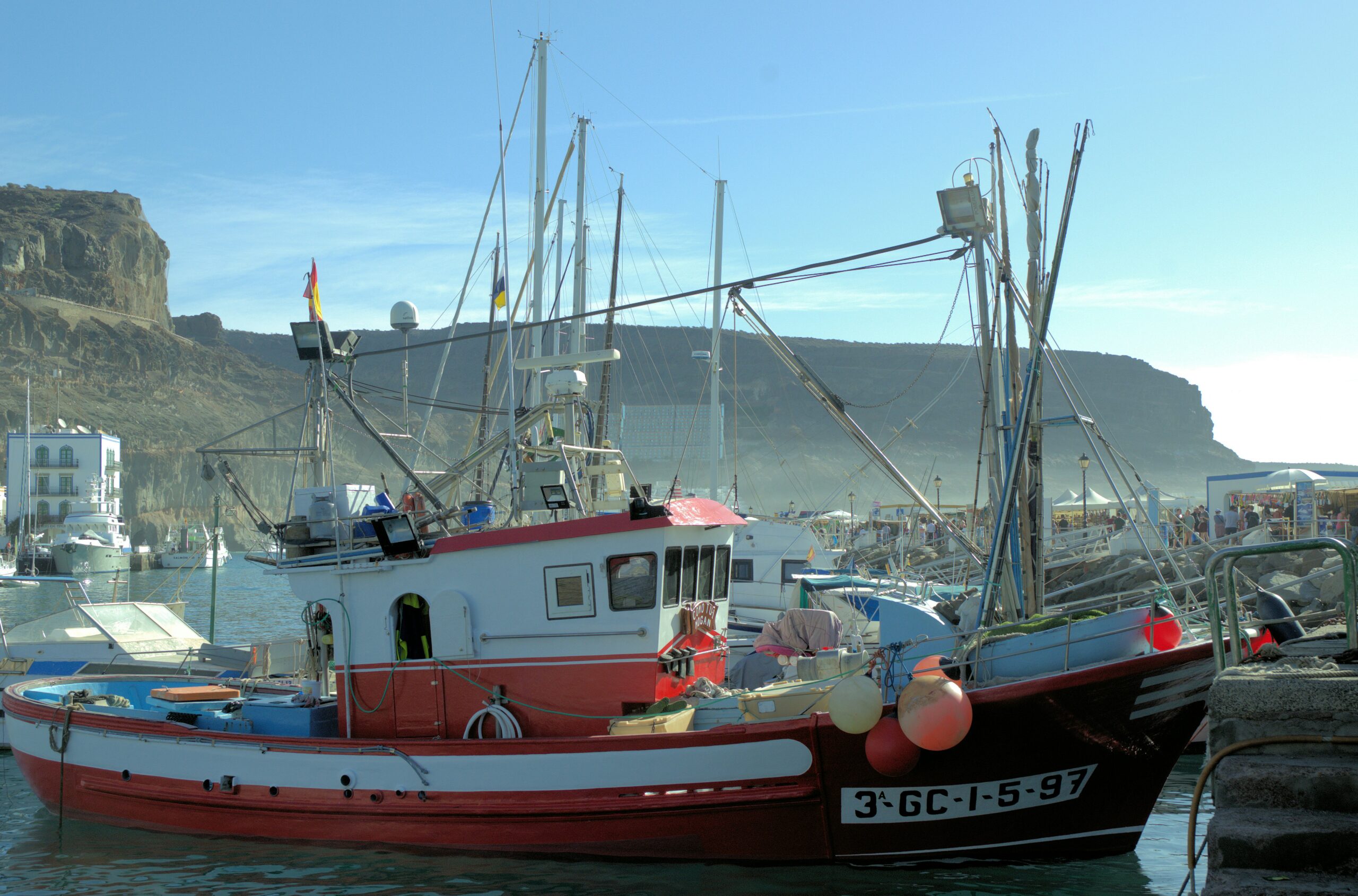
The 1960s brought another major revolution to the fishing industry in Mogán. During this period, fishing boats began to be motorised across the board and new fishing techniques were introduced, which helped to increase the volume of catches.
This process of modernisation of the fleet coincided with improvements to the quays where the catches were unloaded and the tentative beginnings of transport links with the rest of the island, especially Las Palmas de Gran Canaria.
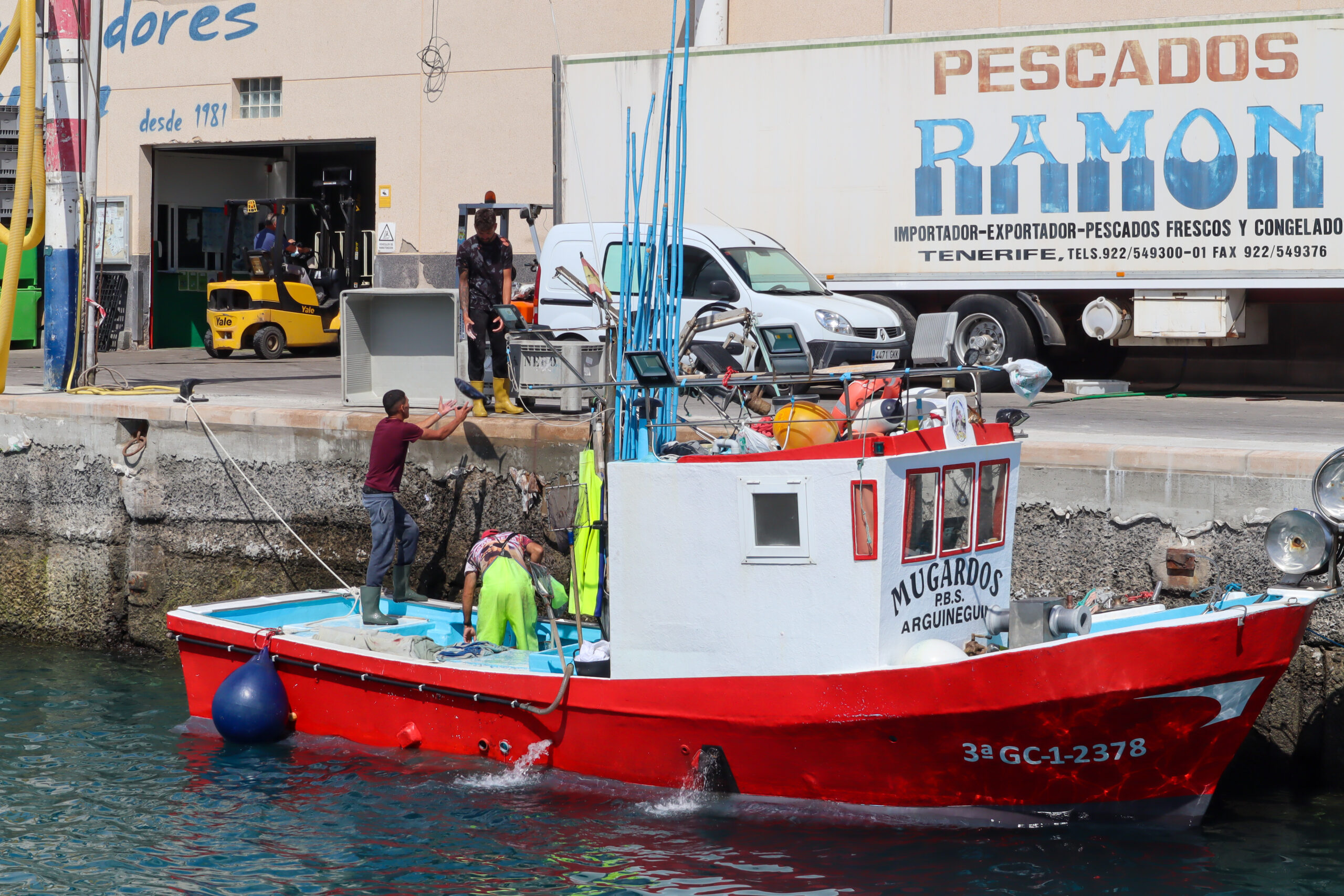
In the 1970s, the appearance of the turning machine for lifting pots was the most important technological advance, but fishing activity in Mogán gradually entered a crisis. On the one hand, the arrival of tourism diverted labour to the tertiary sector. On the other hand, salting companies disappeared as the marketing processes for catches evolved, particularly due to the widespread use of refrigerated trucks that could transport the catch to Las Palmas de Gran Canaria.
These changes created a new fishing market that was completely different from the previous one, a circumstance to which must be added new regulations and requirements for access to the fishing profession and new regulations on catch quotas and fishing gear.
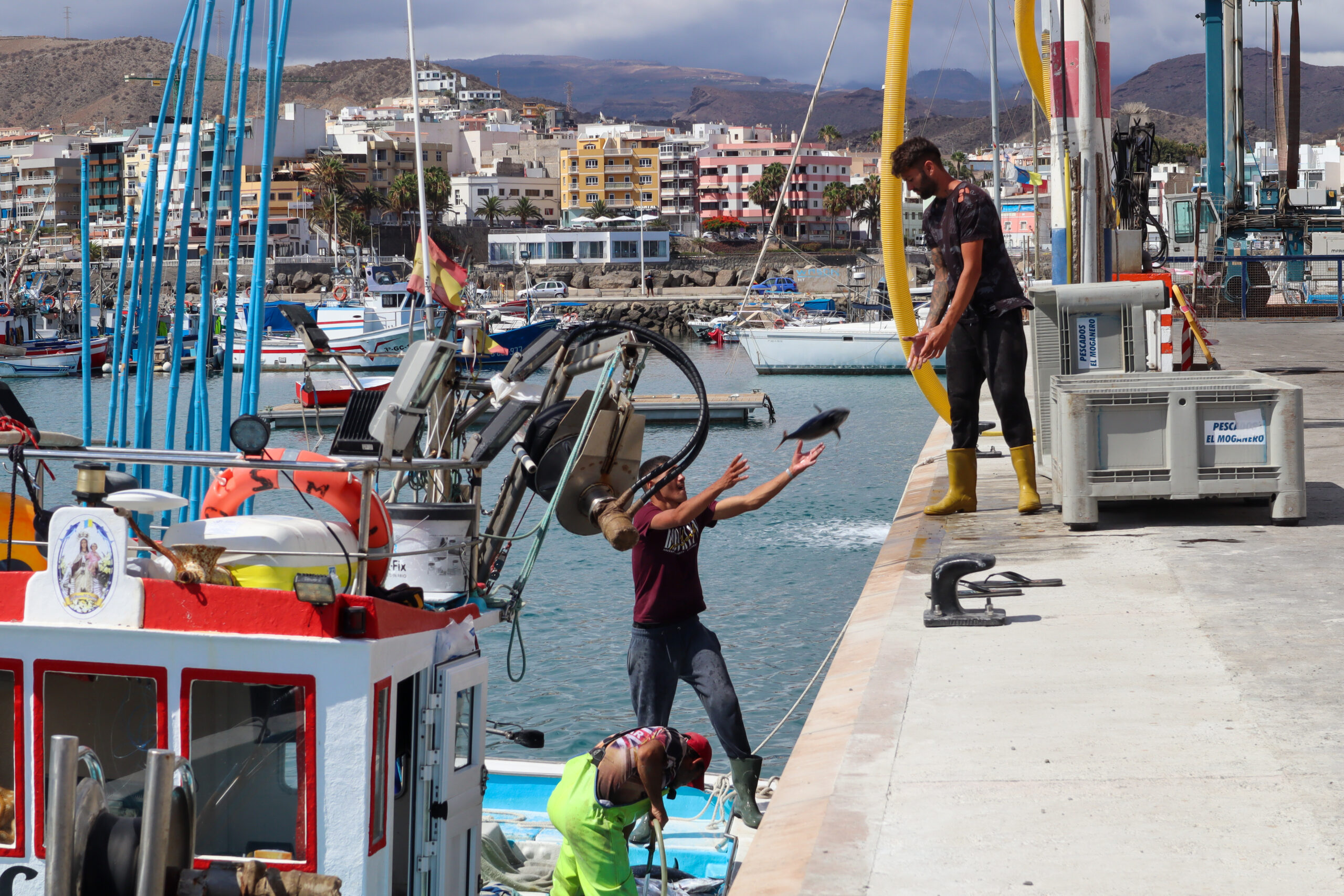
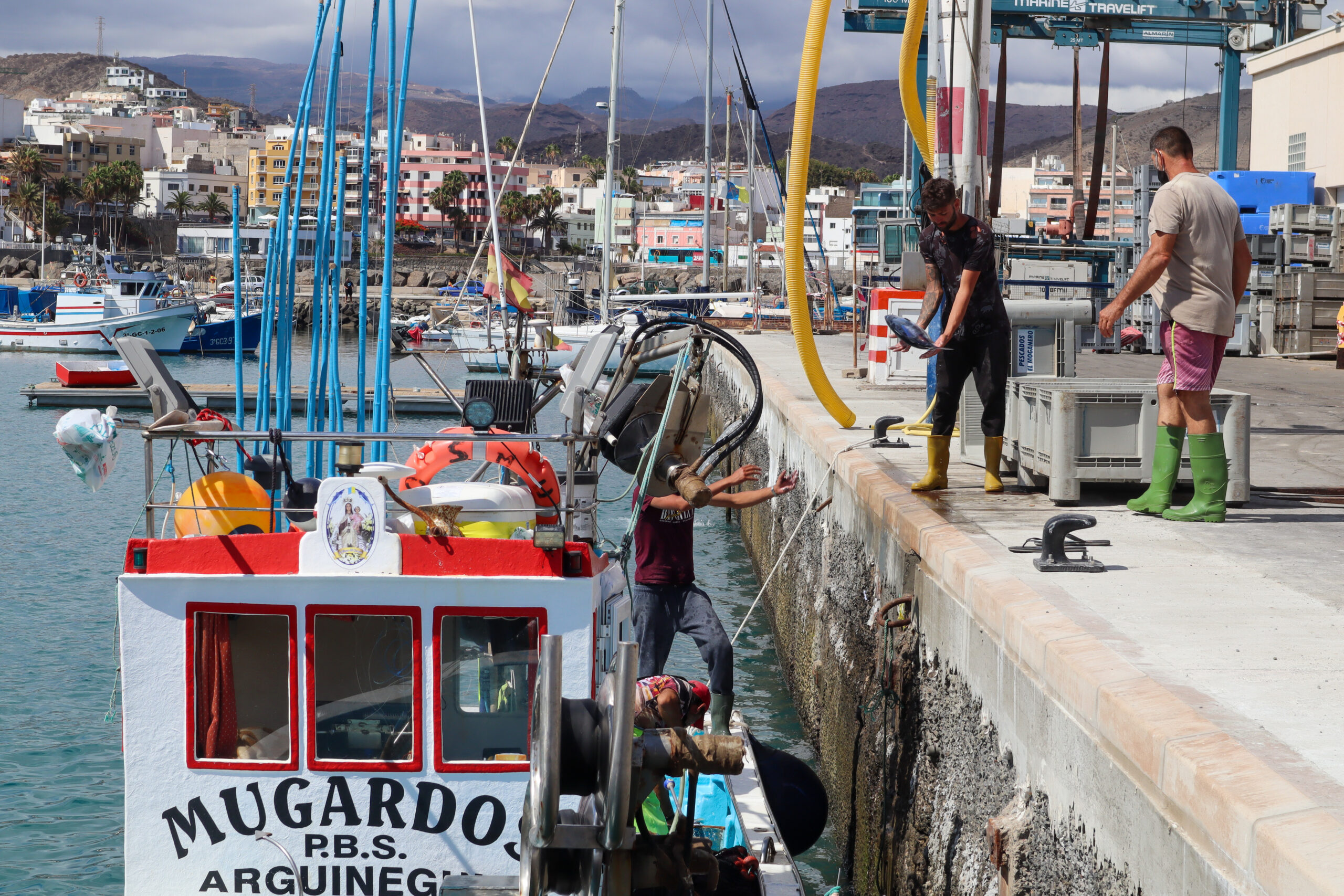
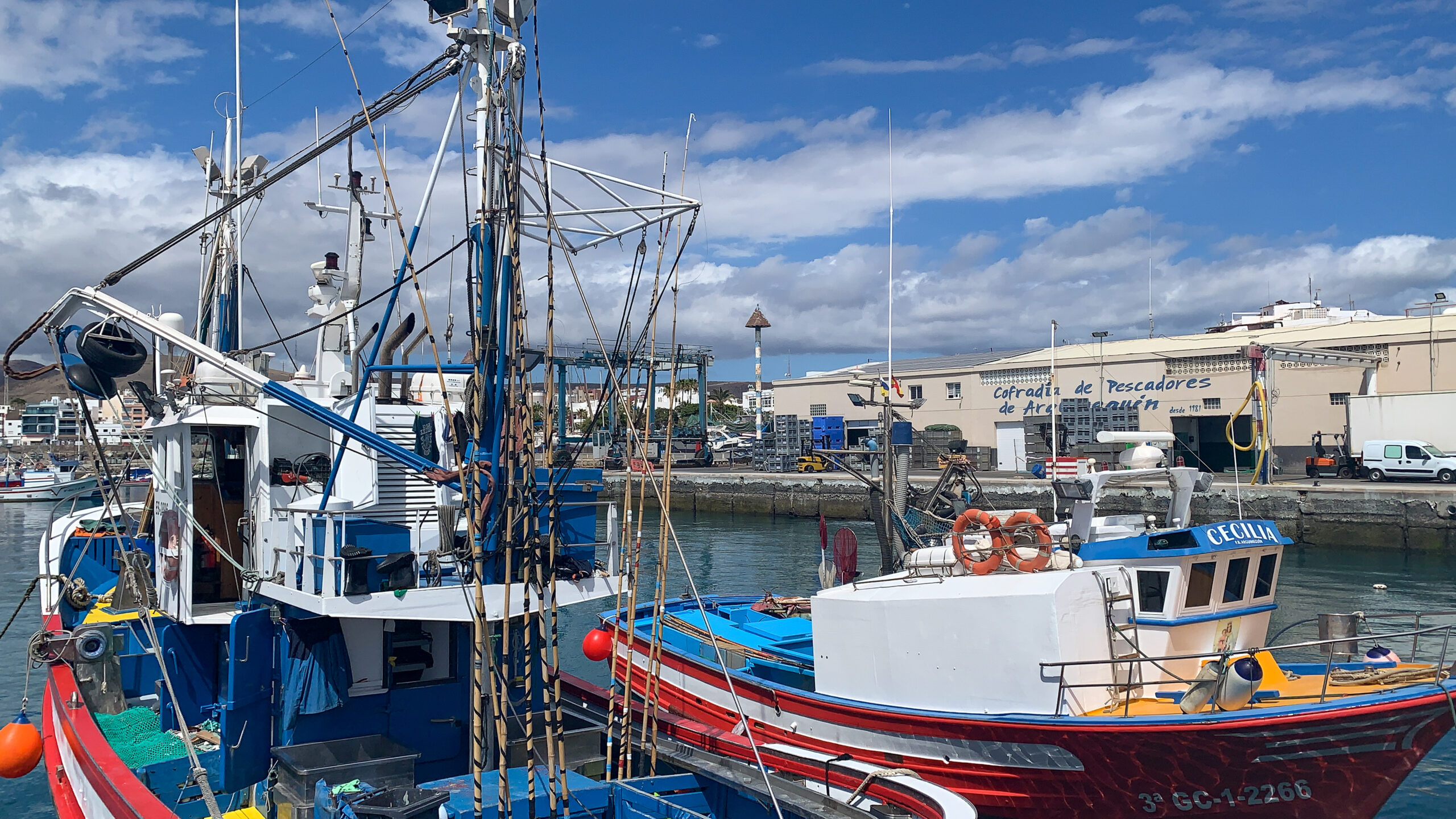
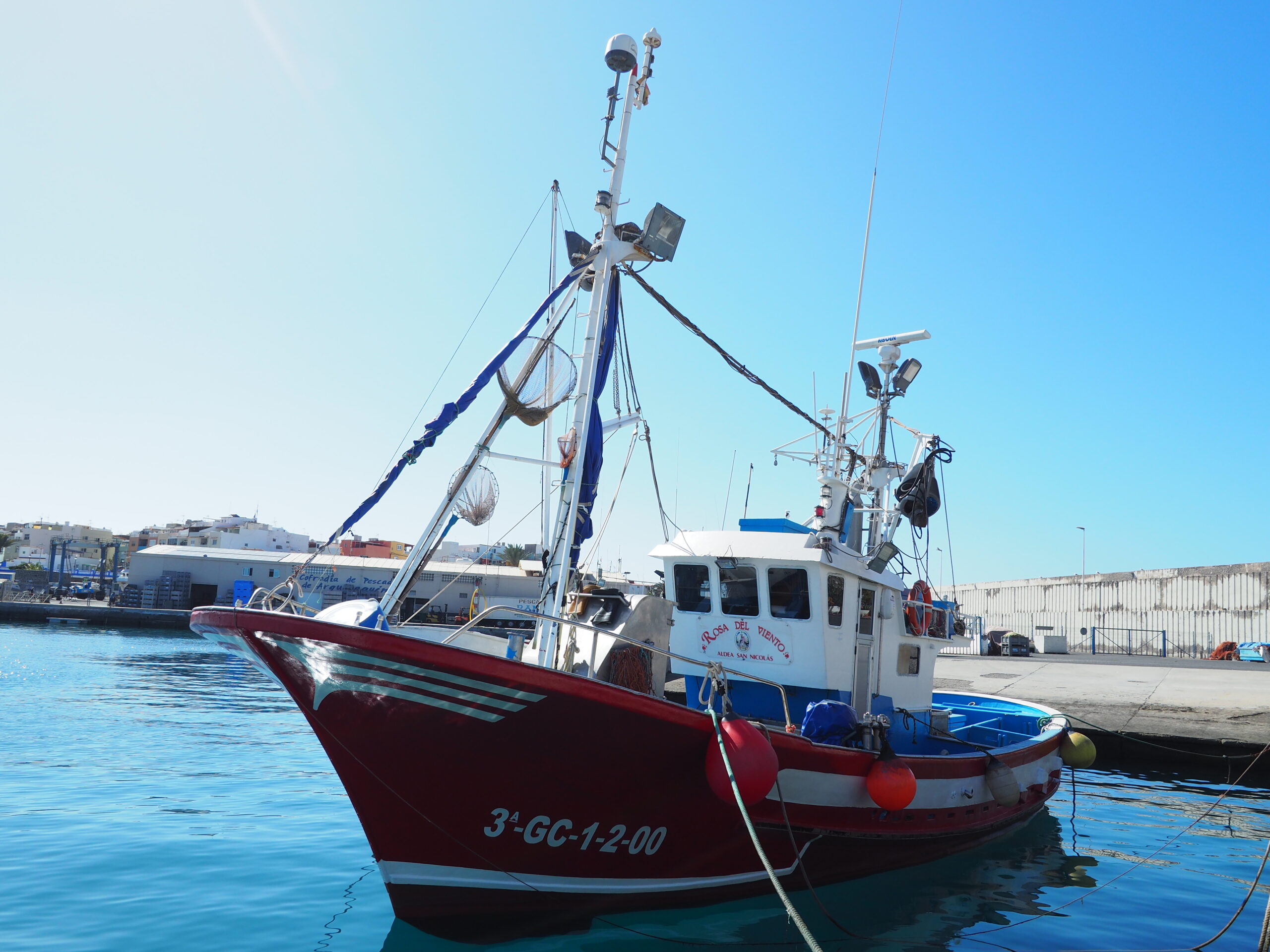
The last decades of the 20th century saw the introduction of new technologies in the fishing sector in Mogán. On the one hand, more and better equipment was incorporated into the ports (cold rooms, ice factories, lifts, etc.). Conditions for boat maintenance were also improved with the installation of travelifts and cranes, and the widespread use of plastic coating on boats, which made maintenance easier and more practical.
Traditional methods of knowing where fish species were abundant were replaced by the use of echo sounders or radars. Triangulation using markers located on land to indicate where the pots were set began to be abandoned in the late 1990s, with GPS signals being used for this purpose instead.
However, all these technological improvements did not lead to a parallel increase in catches. Between 1969 and 2008, the abundance of benthic-demersal fish around the island of Gran Canaria fell by around 90% due to the loss of North African fishing grounds and the spectacular increase in recreational fishing.