
WOMEN, THE FUNDAMENTAL LINK
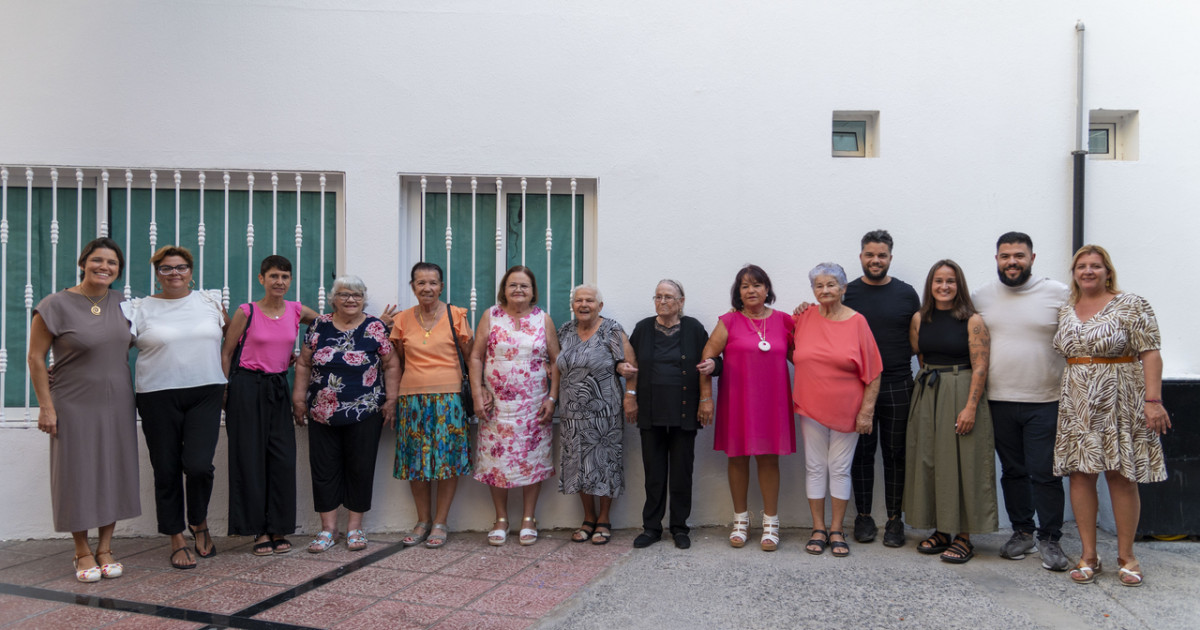
The work that women have done and continue to do in the small-scale fishing sector often remains invisible to much of society. Although their presence on boats has historically been limited, there is evidence of their enormous contribution in enabling men to go out to sea to fish.
The hard work of fishermen, the dangerous nature of their work and the physical strain it entails have always been recognised and highlighted. However, for years, behind these fishermen, the support of the women in their immediate environment was always present.
The beginnings of artisanal fishing were linked to the work of entire families, where the men were just another member of the family, responsible for catching the fish.
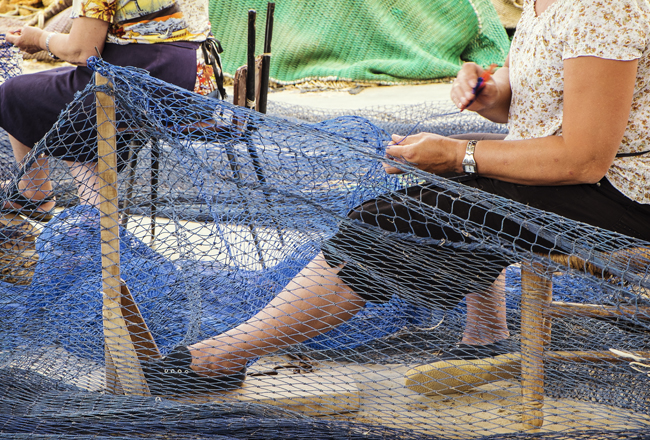
The women were responsible for making and maintaining the fishing gear and providing the men with the bait needed to attract the catch. Once the boat returned to shore, it was the women who cleaned the fish for sale.
Normally, the money generated by fishing was not enough to support the family, so the women devoted themselves to generating extra income by collecting shellfish and making jareas and pejines with the fish that was not sold, to prevent it from spoiling.
This work linked to fishing had to be combined with housework and raising children or caring for parents or grandparents.
Many women in Mogán had to add to this double effort by helping their families with fishing and taking care of their homes, as well as working in the fish factories.
Without a doubt, the fishing industry in Mogán would not be what it is today without the contribution of hundreds of anonymous women who, through their efforts, supported their families and contributed to the social and economic development of the municipality.