
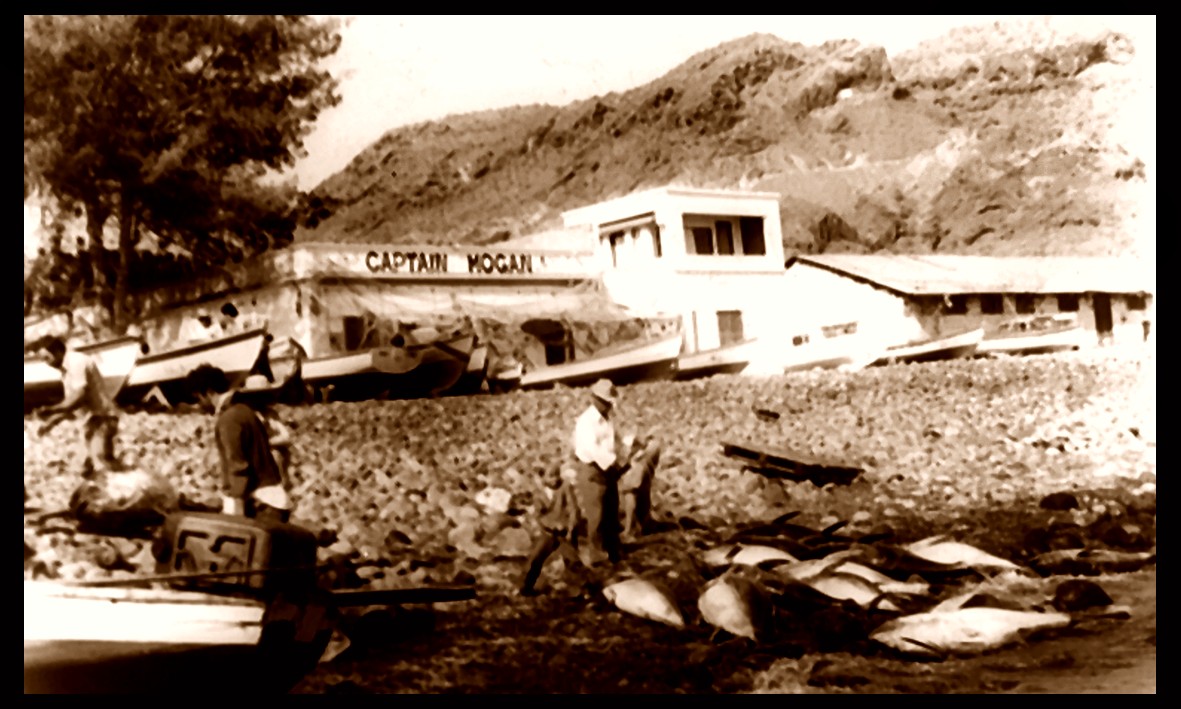
THE FIRST FISHING ACTIVITIES
After the colonisation of the islands, fishing activity was divided into two main sectors. On the one hand, fish were caught along the coast for consumption as fresh produce for the local market and, on the other, the Canary-Saharan fishing grounds were exploited for the production of salted fish products.
While the former activity was carried out by the local population, the trips to the African coast to fish were shared by the Canarians with Andalusian fishermen, who moved to the islands of Gran Canaria and Lanzarote. They went on to create several population centres on the island of Gran Canaria, notably in the area of the current Triana neighbourhood in Las Palmas de Gran Canaria.
Both works refer to fishing along the African coast, almost exclusively by fishermen based in the Canary Islands, as the rest of the Spanish fleet preferred to fish in the waters off Newfoundland (an island off the northeast coast of North America).
When Spain lost the right to fish in these fishing grounds in 1763, following an agreement reached with England, the peninsular fishing boats began to move to the African waters near the Canary Islands. With this increase in activity, the need arose in the Canary Islands to establish fishing factories for salting, an activity that would also lead to an increase in salt production.
The boats that fished in African waters from the Canary Islands were mainly schooners or pailebots, balandras and balandros. Many of these sailing boats were used in the 1940s for clandestine voyages to America, mainly Venezuela, by migrants fleeing the Franco regime or post-war poverty.
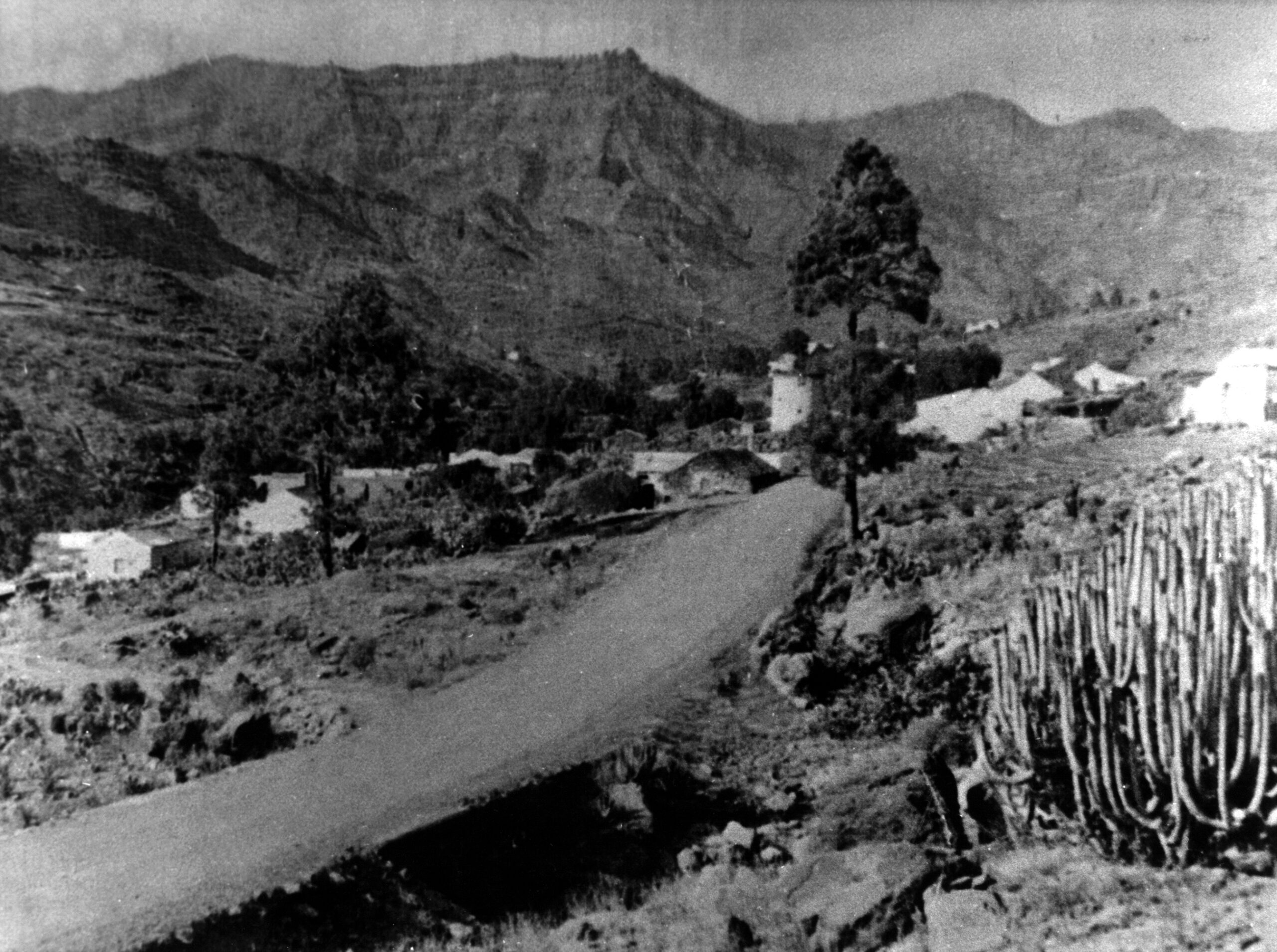
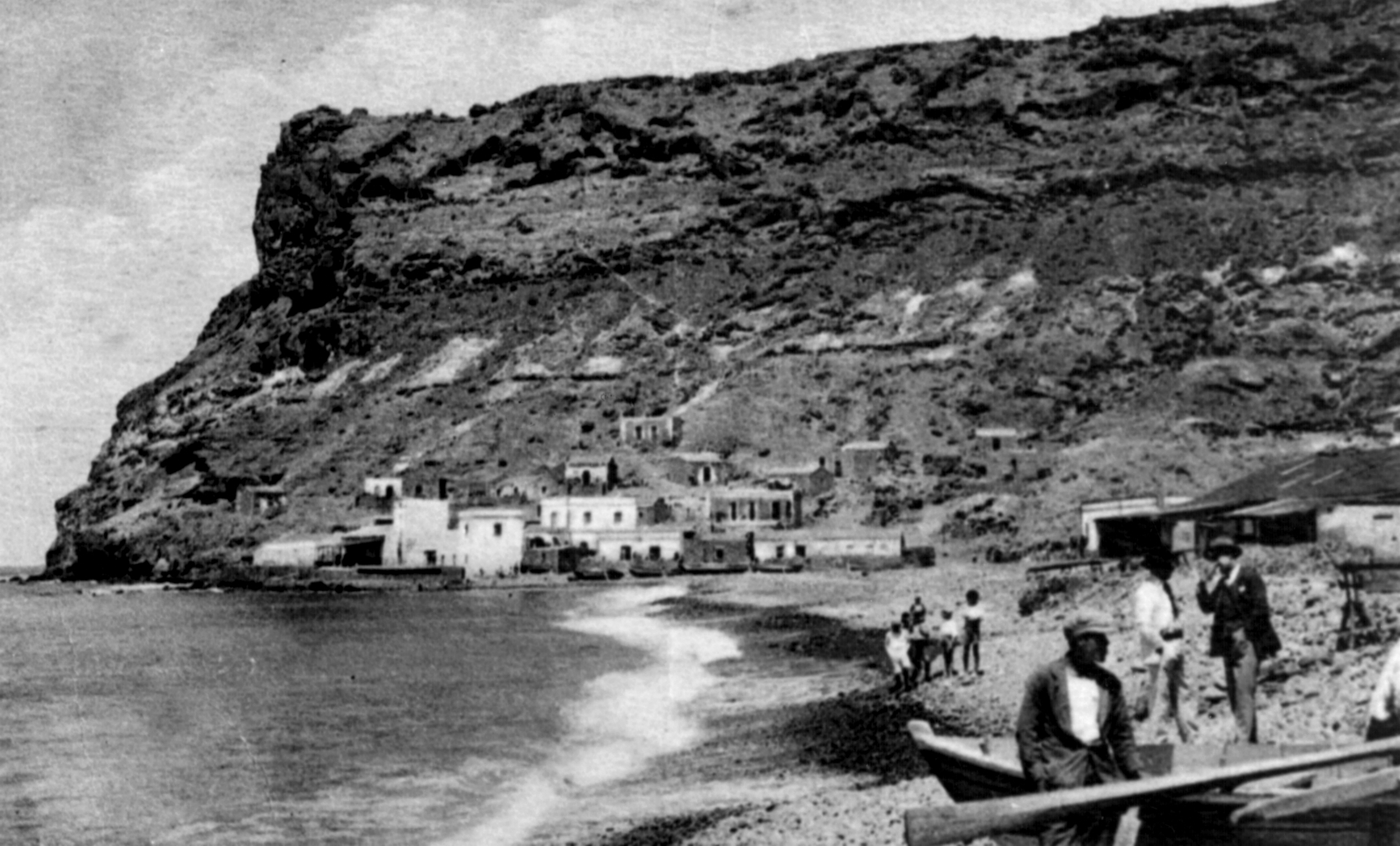
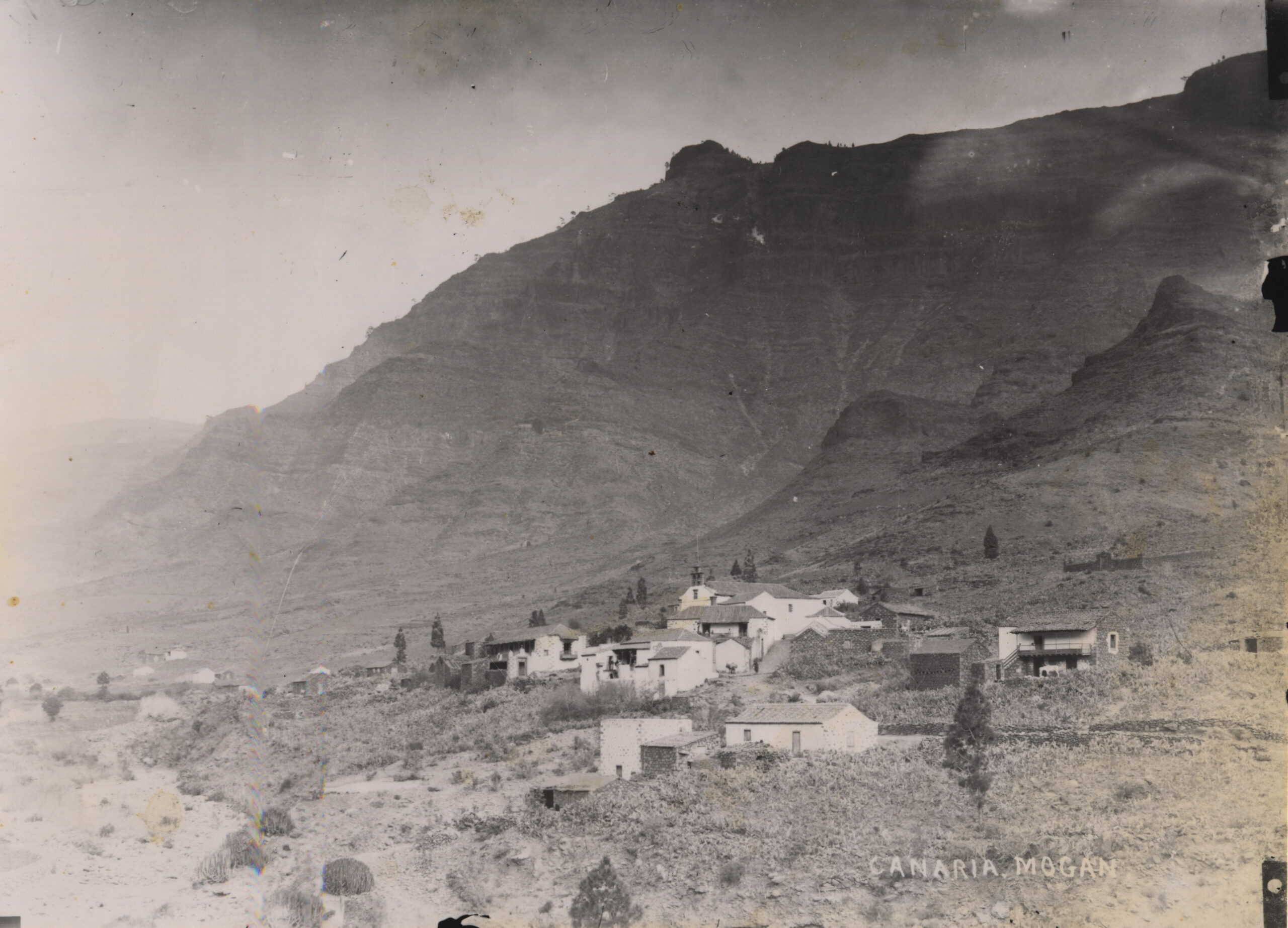
There are no data on the fishing activity carried out during this period by the inhabitants of the territory now occupied by Mogán, as it was not until 1814 that the first municipal corporation was created, an entity responsible for recording everything related to fishing activity within its territory.