



THE FIRST SETTLERS OF THE TERRITORY
The first settlers of the Canary Islands belonged to the Amazigh (Berber) culture and came from North Africa. There is no unanimous agreement on the date of their arrival, with two theories existing on the matter. One places this moment at the beginning of the era, while the other dates it back to the 10th century BC. Nor is there agreement on who was responsible for their transfer from the nearby continent, as they did not preserve knowledge related to navigation techniques.
In North Africa, it is common to find place names very similar to names such as Mogán, Taurito, Tauro or Arguineguín. These words come from the language spoken by the first Canarians, Tamazight.
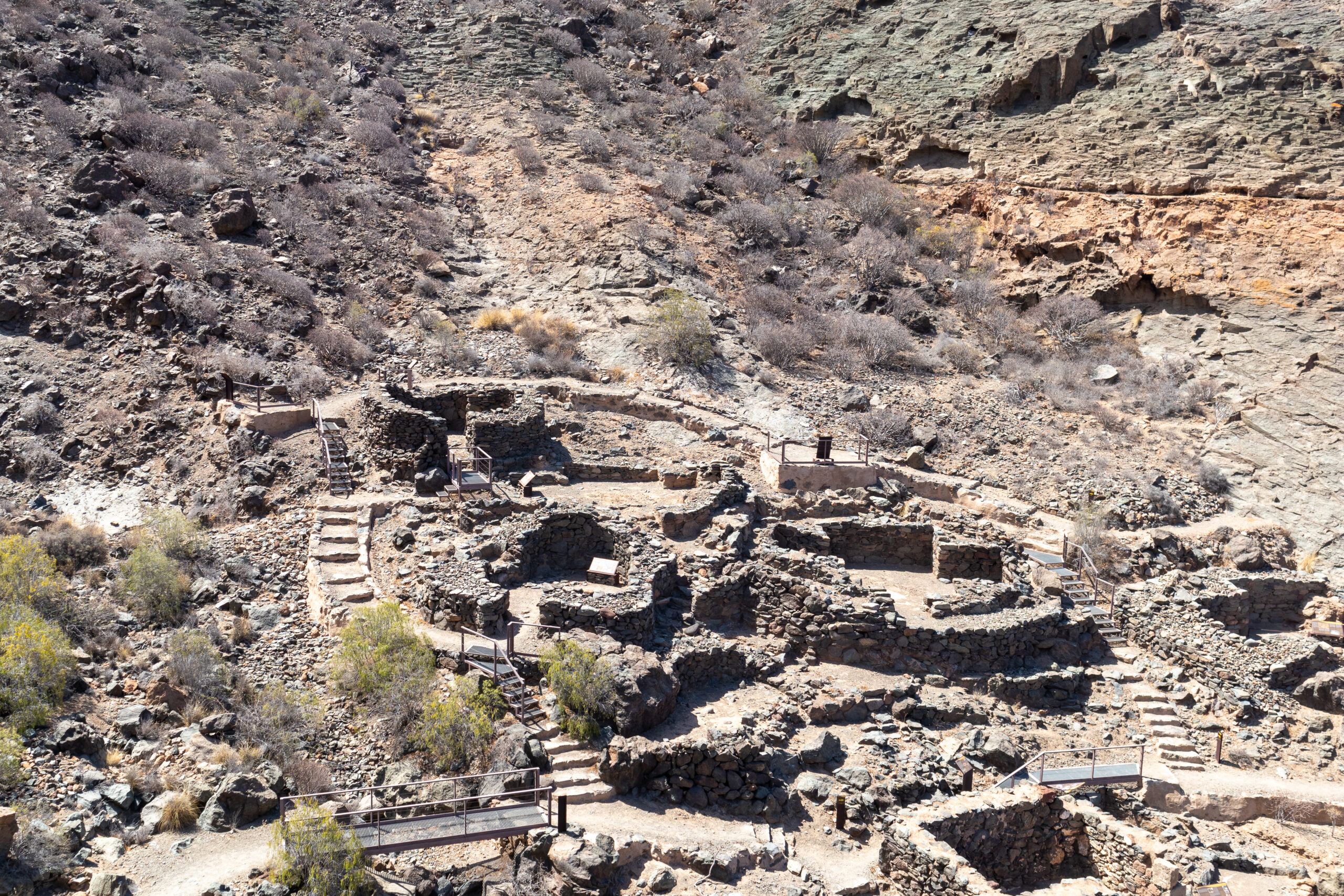
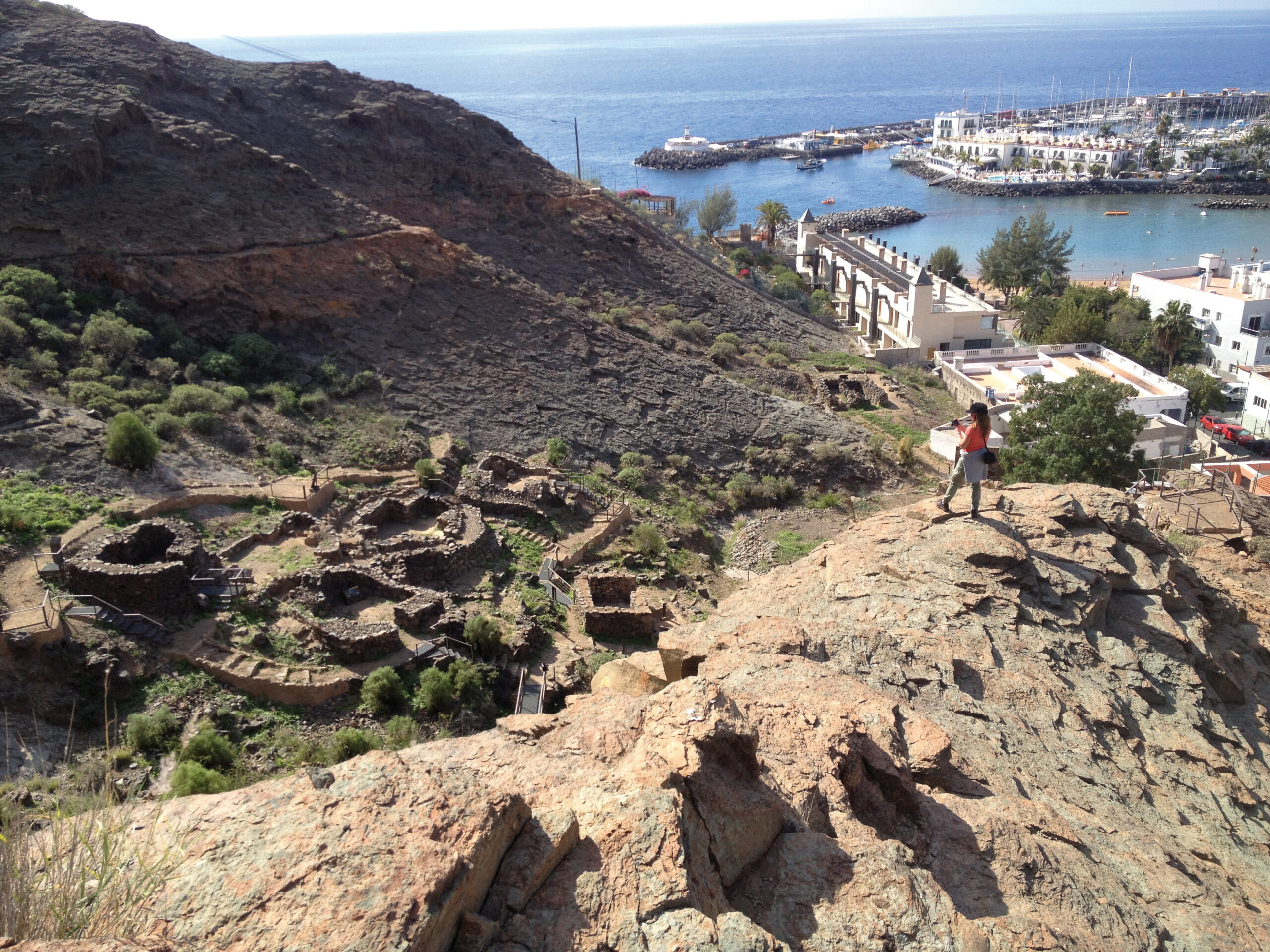
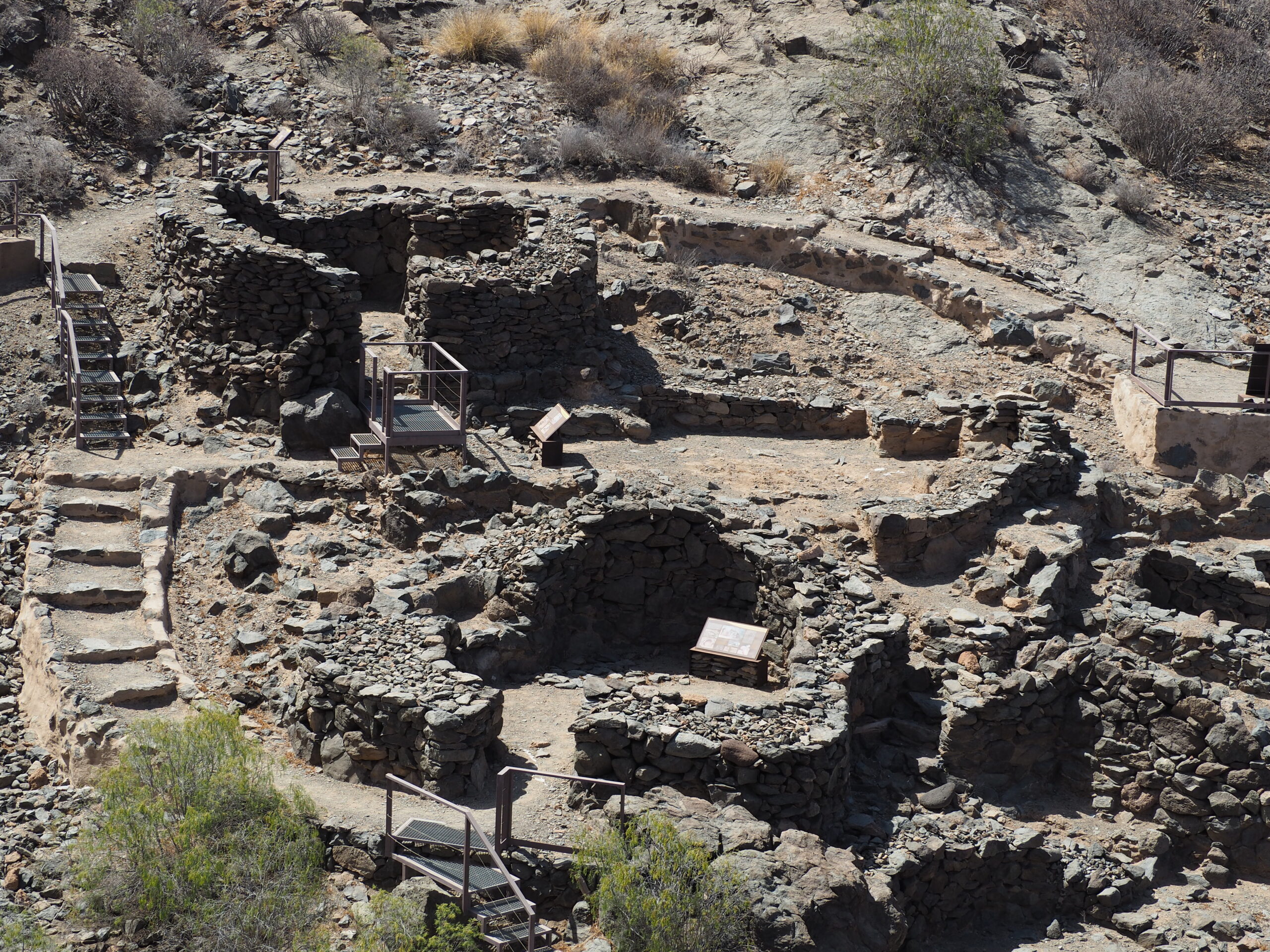
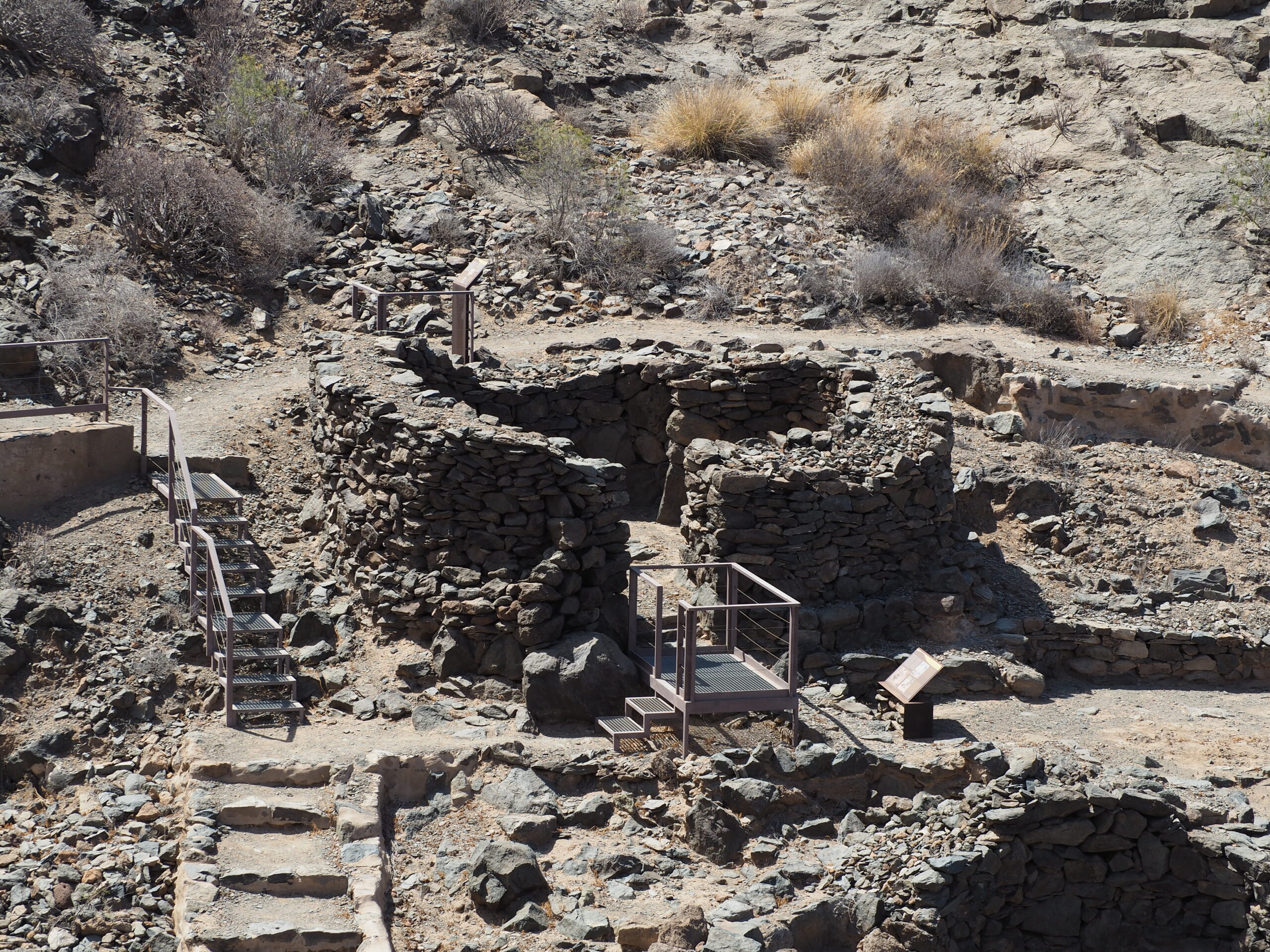
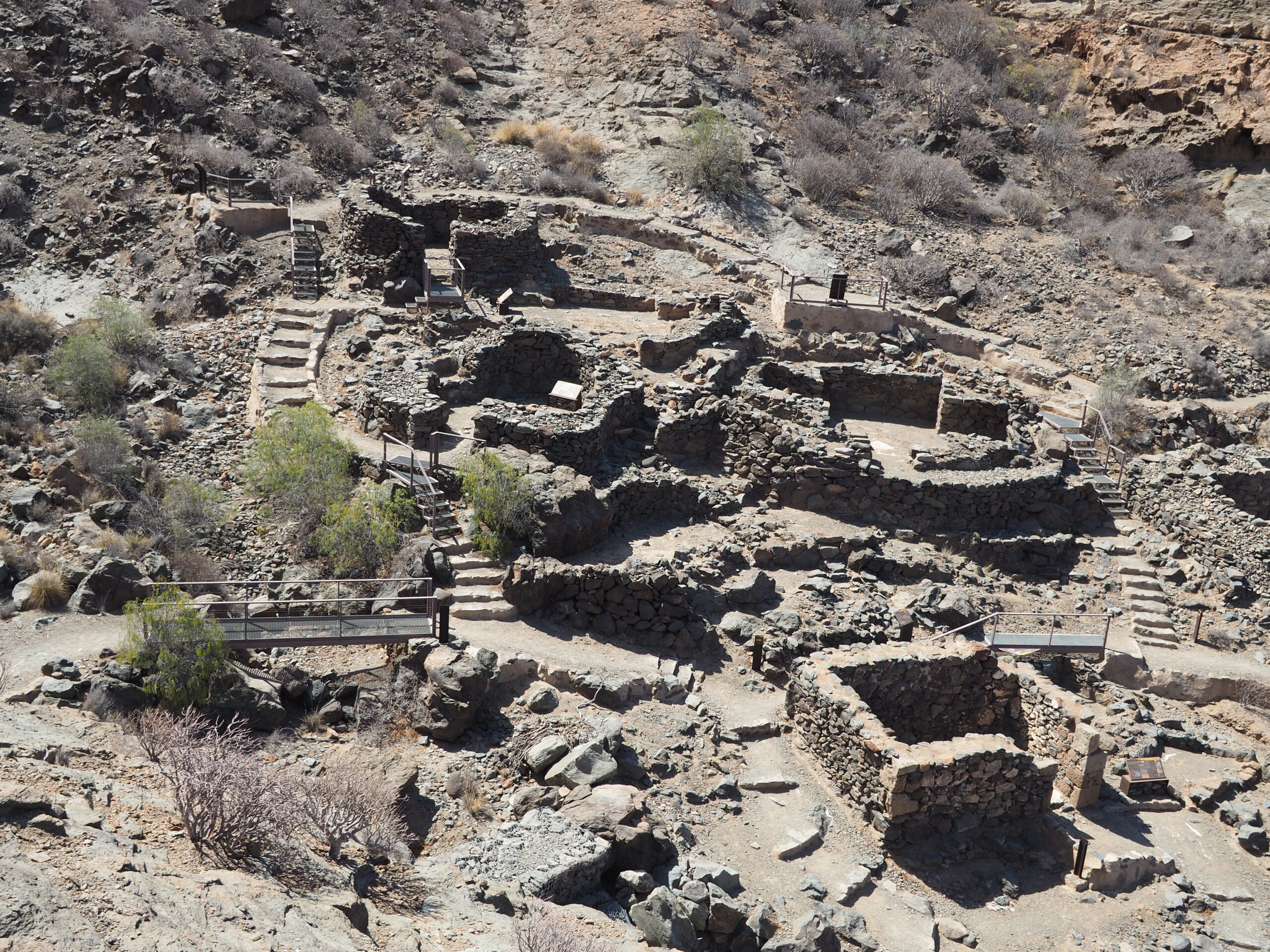
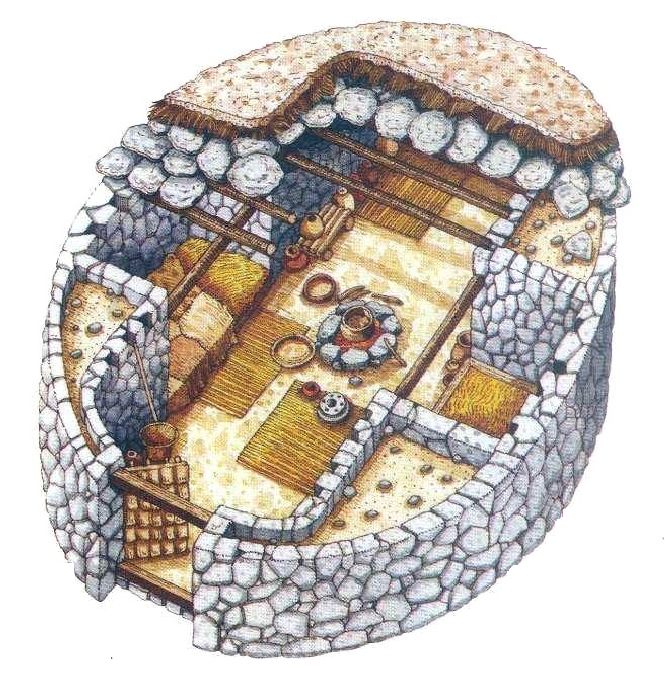
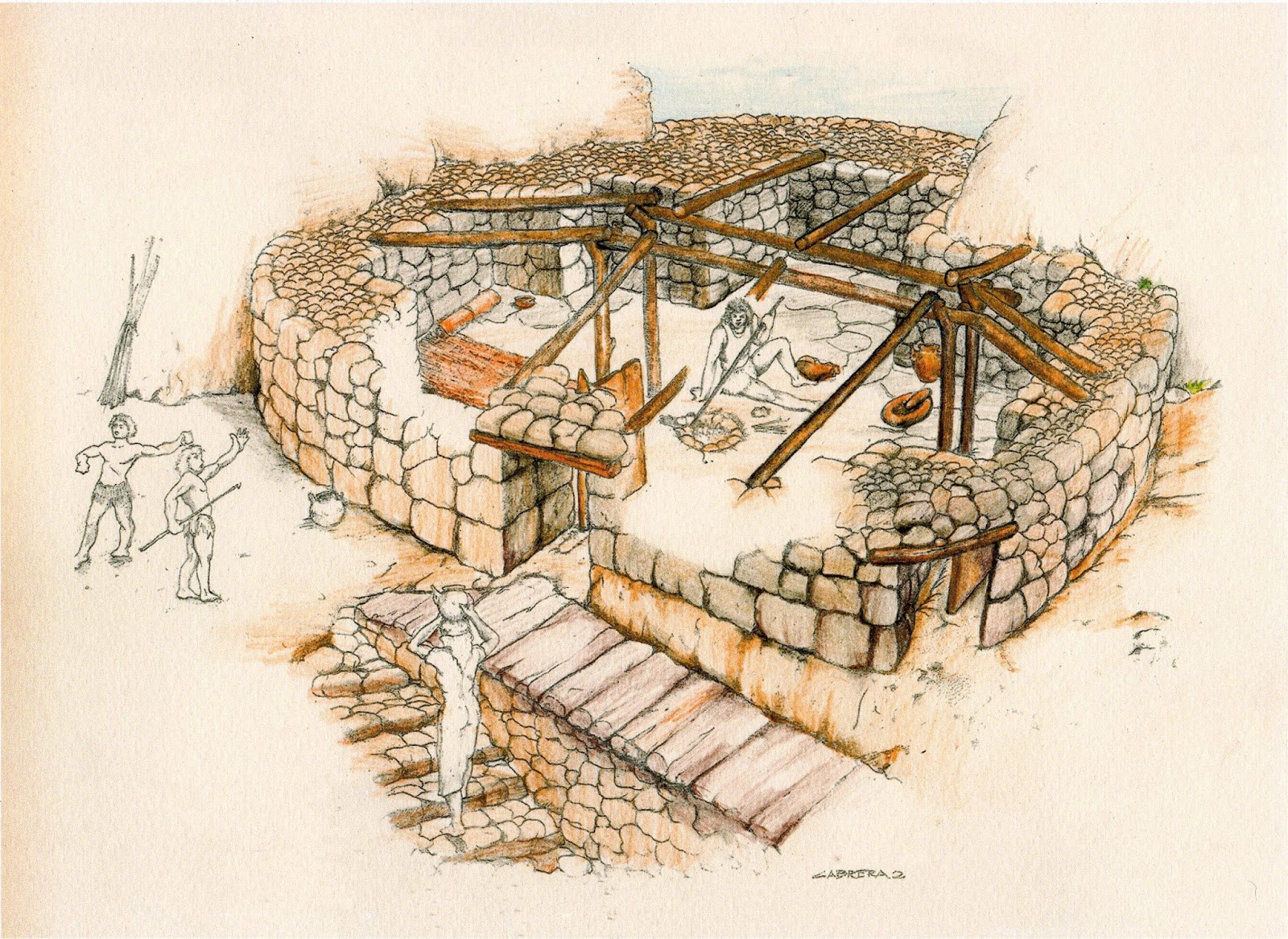
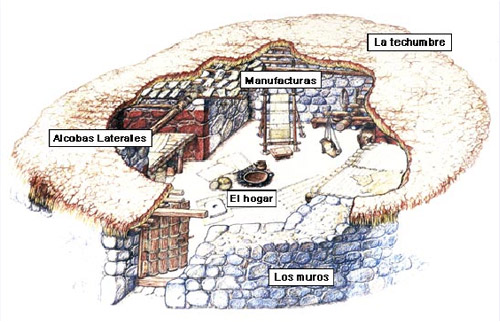
They practised livestock farming, cultivation of the land and the exploitation of marine resources in the form of fishing and shellfish gathering. They mainly concentrated their habitat in the riverbeds of the ravines, especially in Mogán and Arguineguín, where they built stone houses with palm leaf roofs.
Their society was hierarchical, headed by a leader called Guanarteme.
We owe them many customs that are deeply rooted in the Canary Islands, such as gofio, Canarian wrestling, silbo, garrote fighting and shepherd’s leap. In addition, most of the names they gave to the places where they settled are still in use today.
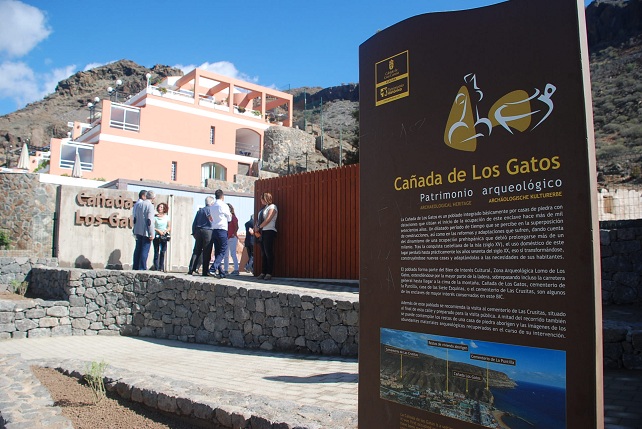
Their mark is still present in 21st-century Mogán through various archaeological sites of great value that offer valuable information about the first humans who settled in the area.
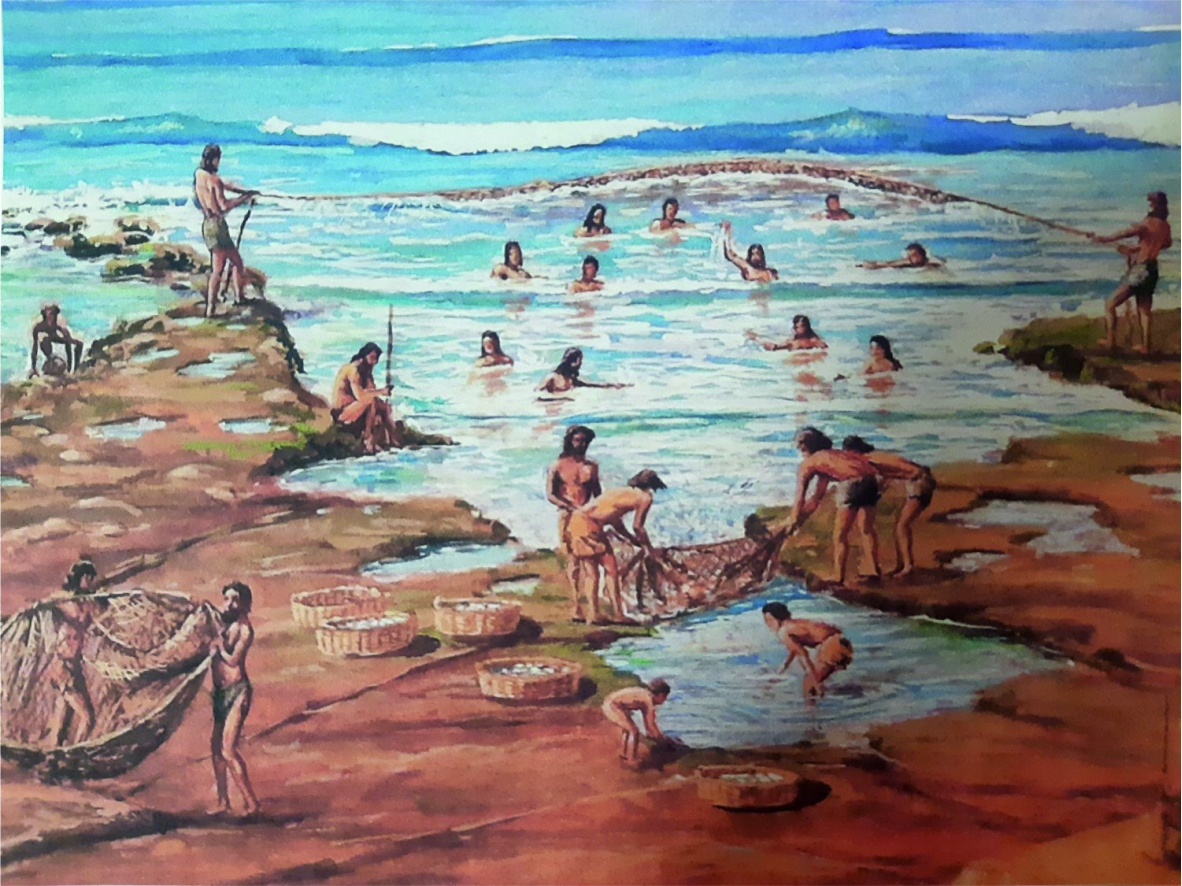
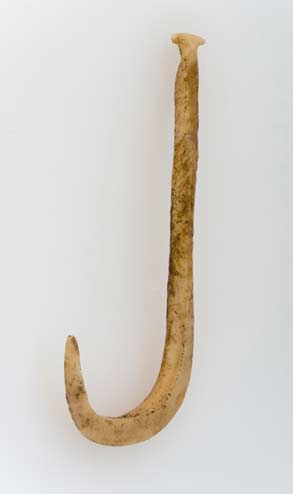
As for their relationship with fishing, the chronicles of the conquest do not specify much, but archaeological studies agree that they may have used five different methods of fishing, all of them carried out on the coast near the shore. These are: the construction of small walls to trap fish when the tide went out, the use of burning axes to produce light that attracted the catch to the surface so that they could be struck with a stick, fishing with bone hooks and palm line, and the manufacture of both nets and reed traps.
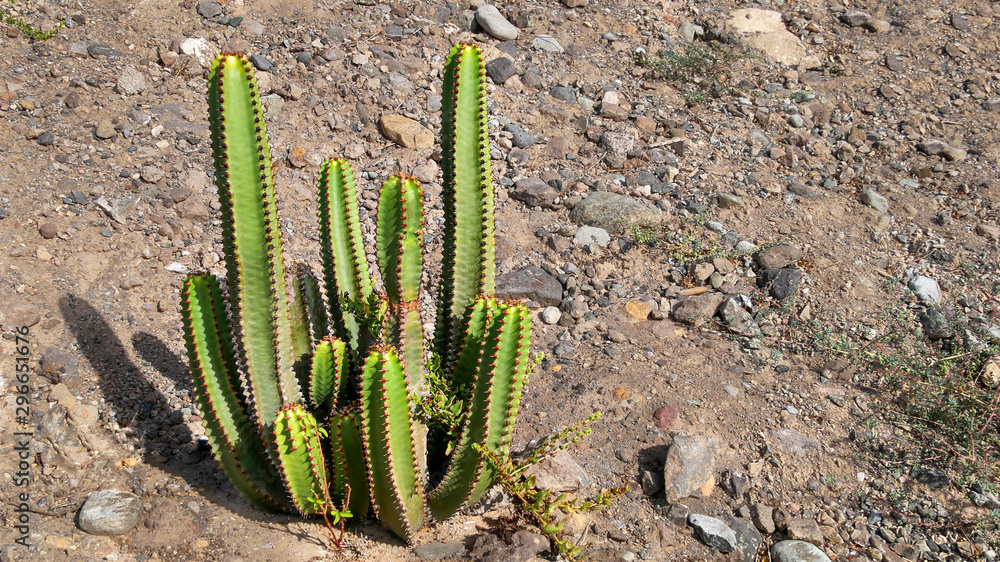
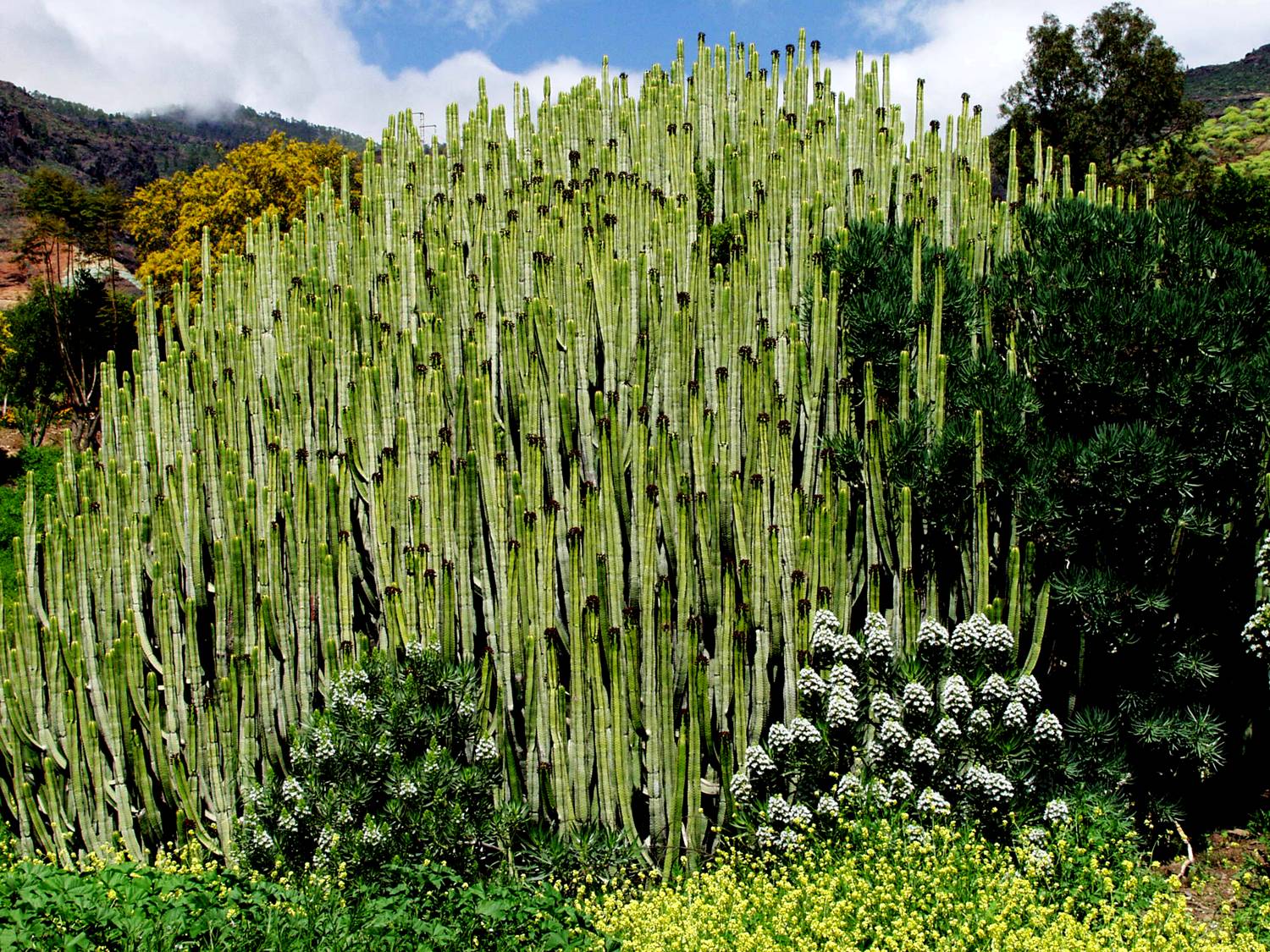
On the other hand, the practice of a fishing system called embarbascar has also been documented, which consists of stunning the fish using the sap of cardoons and tabaibas to facilitate their capture.